

Nigeria its People, Geography, and Economy


Nigeria is a country in West Africa with a population of approximately 200 million and a diverse mix of cultures and ethnicities. It is a country of great beauty and immense natural resources. Its diverse landscape, extensive river systems, and abundance of wildlife make it a unique and fascinating place to explore. It is the most populous country in Africa and the 7th most populous country in the world. The country is home to more than 500 ethnic groups and is divided into three main regions: North, East and West. Each region has its own cultural and ethnic groups, with predominantly Muslims in the north, predominantly Christians in the east, and a mixture of both religions in the west.
Who Lives in Nigeria?


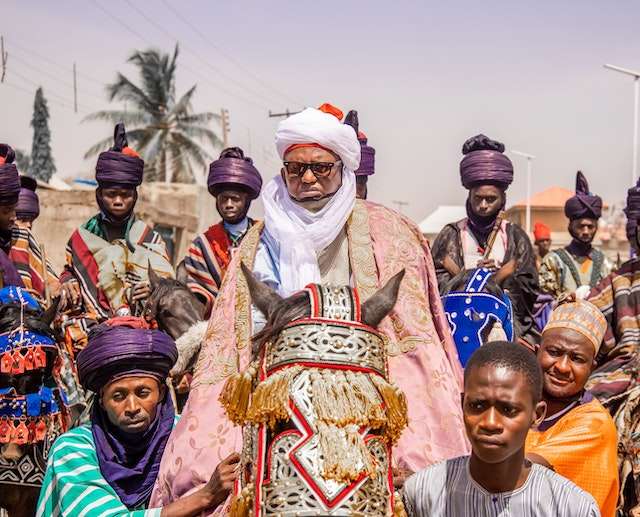

Nigerian ethnic groups include the Hausa, Yoruba, Ibo, Fulani, Kanuri, Tibu, Ijau, Edo, Ibibio, Nupe and Ebirah. Each of these ethnic groups has its own language, culture, customs and beliefs. The Hausa are Nigeria’s largest ethnic group, comprising about 29% of the population. They are predominantly Muslim and form the most important ethnic group in the north of the country. The Igbo are the second largest ethnic group, comprising about 18% of the population. They are predominantly Christian and form the most important ethnic group in the eastern part of the country. The Yoruba are the third largest ethnic group, comprising about 15% of the population. A mix of Muslims and Christians, they form the main ethnic group in the western part of the country.
The cultural and ethnic makeup of Nigeria has been shaped by its history. In the 19th century, the country became a British colony, which greatly influenced its culture and identity. With the British rule, English was introduced as the official language and Christianity was adopted as the main religion. This has had a lasting impact on Nigeria as much of the traditional culture and language of various ethnic groups has been overshadowed by the influence of British colonialism.
Nollywood

Nollywood is the most prominent film industry in Nigeria. It is the second–largest film industry in the world in terms of output, producing thousands of films each year. The industry is largely based in Lagos, the largest city in Nigeria, where the majority of its films are produced and distributed. Nollywood films are known for their low budgets, fast production times, and innovative storytelling. The industry is also credited for creating a massive number of jobs throughout the country, making it a major contributor to the Nigerian economy. Nollywood films often focus on social and political issues, such as corruption and poverty. Despite having a limited audience compared to Hollywood, Nollywood has a large influence on the culture and values of Nigeria. With its increasing popularity, Nollywood is sure to continue to be an important part of the Nigerian economy and culture.
The Geography of Nigeria

Nigeria is a West African country with a landscape that is diverse and captivating. It is bordered by Benin to the west, Niger to the north, Cameroon to the east, and the Gulf of Guinea to the south. The country has a total area of 356,669 square miles, making it the 32nd largest country in the world.
Nigeria is largely composed of lowlands, with hills and mountains in the southeast. The country has two major rivers, the Benue and the Niger. These rivers run through the center of the country, joining up in the Niger Delta, a large, marshy region in the south with numerous creeks and streams. The Niger Delta is the largest wetland in Africa and is home to a wide variety of plant and animal life.
In the north, the Jos Plateau is a large region of hills, rocky outcrops, and gorges. The region is home to a number of rivers, streams, and lakes. Many of the rivers originate in the highlands of the Middle Belt. The Middle Belt is a region of hills, mountains, and valleys. Its elevation ranges from 1,000 feet in the south to 4,000 feet in the north.
The climate of Nigeria is tropical, with a wet season from April to October and a dry season from November to March. The country’s terrain is largely flat or rolling plains, with some highland areas in the southeast. The major vegetation of Nigeria is tropical rainforest, with mangrove forests along the coast.
Nigeria’s Economy

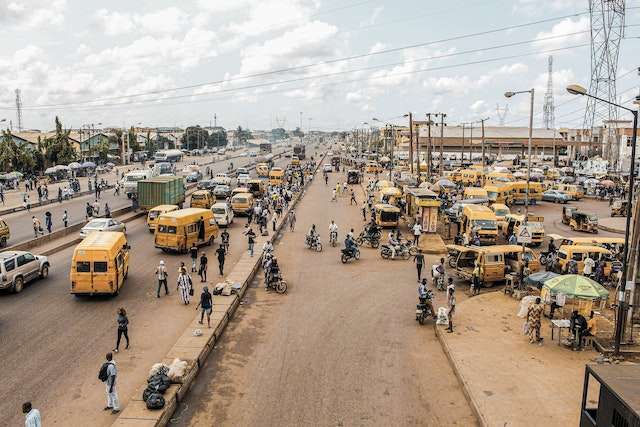

Nigeria’s economy is heavily dependent on the production and export of crude oil, which accounts for a large portion of the country’s GDP. According to cia.gov, Nigeria is rich in natural resources such as natural gas, petroleum, tin, iron ore, coal, limestone, niobium, lead, zinc, and arable land. The country is also a major producer of agricultural products such as cocoa, rubber, palm oil and cashew nuts. It also has a large manufacturing sector and a growing service sector including telecommunications, banking and tourism.
Although the economy has grown steadily in recent years, the country still faces many challenges, including high levels of poverty and inequality. The government of Nigeria is a federal republic, with the head of state being the President and the head of government being the Prime Minister. The government is based on the Nigerian Constitution adopted in 1999. The government is divided into three branches: executive, legislative, and judiciary. The executive branch is responsible for enforcing laws and implementing government policies, the legislative branch is responsible for enacting laws, and the judicial branch is responsible for interpreting laws and ensuring justice.
The Nigerian Diaspora



Immigration of Nigerians into other countries has been a growing trend in recent years. This is due to a range of reasons including economic and political instability, along with a lack of opportunities in their homeland. In some cases, Nigerians are looking to make a better life for themselves and their families by relocating to other countries.
The most common destinations for Nigerian immigrants are the United States, the United Kingdom, and Canada. In the United States, Nigerian immigrants have established a strong presence in cities such as Houston, Dallas, and Atlanta. In the United Kingdom, Nigerian immigrants are attracted by the country’s strong economy and are spread throughout the country, although they are more concentrated in London. In Canada, Nigerian immigrants are mainly located in Toronto and Montreal.
Nigerian immigrants come to these countries with a range of unique skills and abilities, making them a valuable asset to their new communities. Many of them have professional qualifications and technical experience, as well as an entrepreneurial spirit. This has enabled them to contribute to the economic and social development of their new countries. In the US, Nigerian Americans make up one of the highest educated and most successful ethnic groups.
Nigerians have also brought their culture and traditions to their new countries. This has enriched the cultural diversity of the countries they have moved to and allowed them to maintain a sense of identity in their new environment. Overall, the immigration of Nigerians into other countries has been a positive phenomenon and has had a positive impact on the countries they have moved to. Nigerian immigrants have brought a range of skills, talents, and cultures which have enriched and strengthened the countries they have moved to.
Nigeria is a diverse and vibrant country with a rich culture and ethnic composition. It is a major producer of oil and other natural resources and has a growing economy. Despite its challenges, the country continues to make progress in economic and social development. The Nigerian government is committed to creating a stable and prosperous future for its citizens and is working to address the many issues facing the country.












Responses