

Climates and Biomes: A Guide to Understanding Earth’s Complex Ecosystems.


Climate and biomes are two of the most important components of the Earth’s environment. Climate is the average weather conditions in a particular region over a long period of time, while biomes are the major regional groupings of plants and animals that are determined by climate. Climate and biomes are closely related, as the climate of a region determines the type of biome that can exist in that region. In this essay, I will discuss the different types of climates and biomes found on Earth, and how they interact with each other.
Interaction between Climates and Biomes
The climate of a region is the primary factor in determining the type of biome that will be found there. Different climates support different types of vegetation, which in turn support different types of animal life. For example, tropical climates are characterized by high temperatures and humidity, and are home to lush rainforests and diverse wildlife. In contrast, arid climates are characterized by low rainfall and high temperatures, and are home to deserts and sparse vegetation.
The type of vegetation found in a particular biome is also determined by the climate. In tropical climates, for example, the vegetation is typically lush and diverse, with a variety of trees, shrubs, and other plants. In arid climates, however, the vegetation is sparse and consists mainly of cacti, shrubs, and other drought-tolerant plants.
Types of Climates
The Earth’s climate is divided into five major types: tropical, dry, temperate, continental, and polar. Each type of climate is determined by the average temperature and precipitation in a particular region.
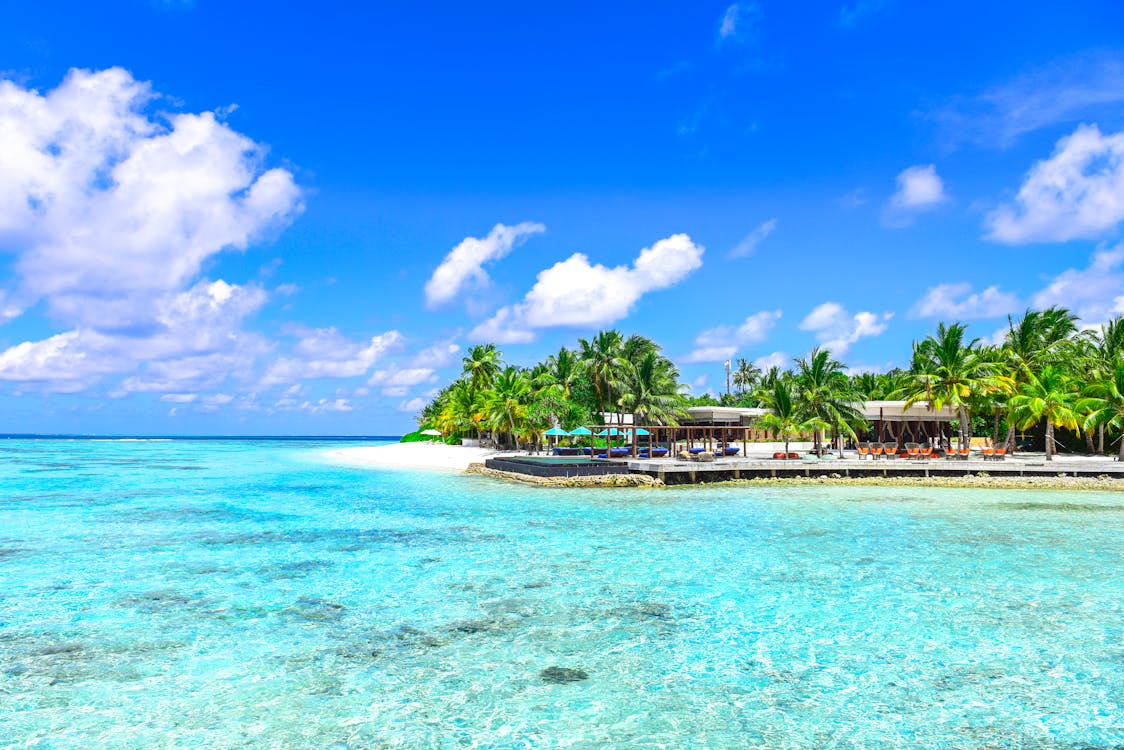
Tropical climates are found near the equator and are characterized by high temperatures and high levels of precipitation. These climates are typically found in the rainforests of South America, Africa, and Southeast Asia.
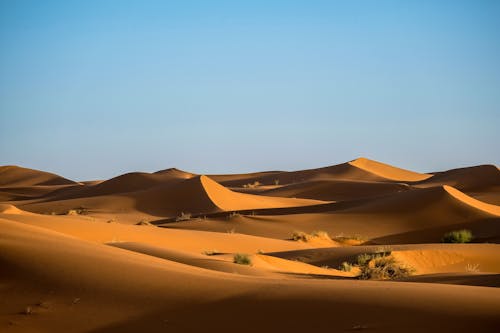
Dry climates are found in regions that receive very little precipitation. These climates are typically found in deserts and other arid regions.
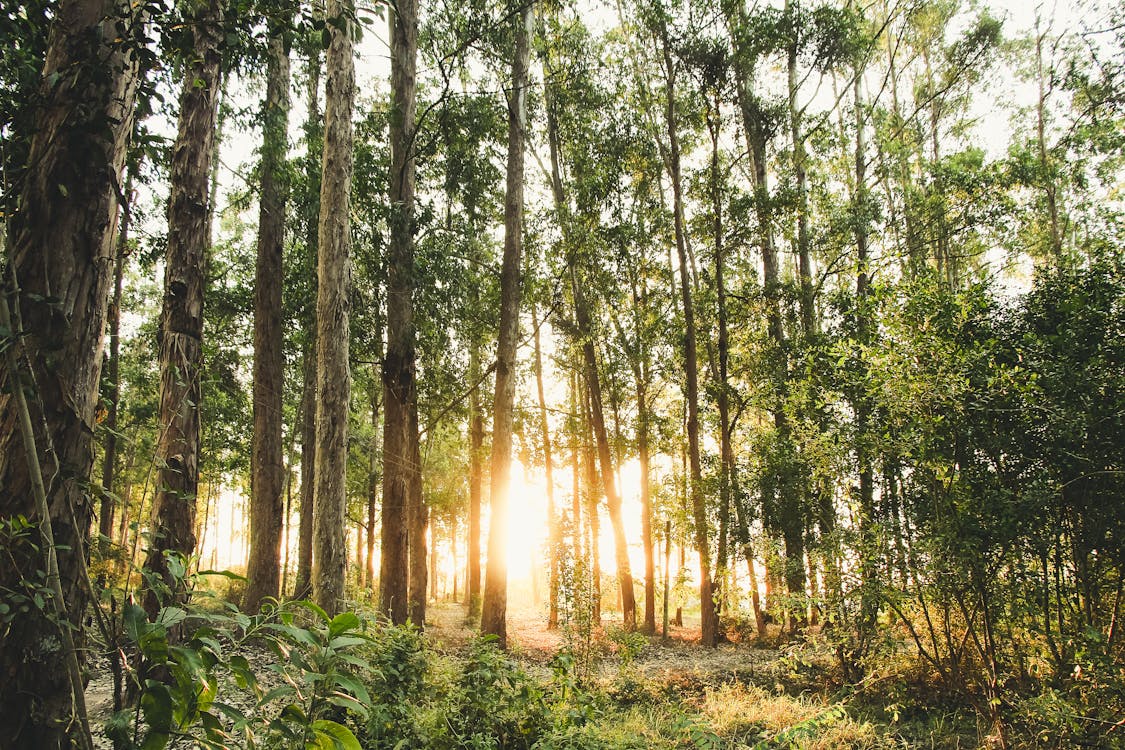
Temperate climates are found in regions between the tropics and the polar regions. These climates are characterized by moderate temperatures and moderate levels of precipitation.
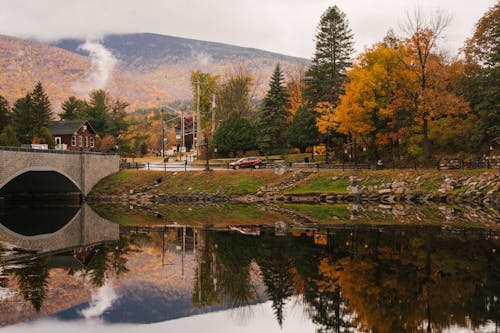
Continental climates are found in regions that experience large seasonal variations in temperature. These climates are typically found in the interior of large landmasses, such as the interior of North America and Eurasia.
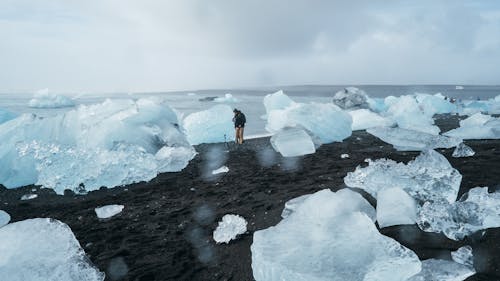
Polar climates are found in the polar regions of the Earth, near the North and South Poles. These climates are characterized by cold temperatures and low levels of precipitation.
Types of Biomes
Video Courtesy of Geodiode
Biomes are the major regional groupings of plants and animals that are determined by climate. There are eight major types of biomes on Earth: tropical rainforest, temperate rainforest, desert, grassland, tundra, taiga, chaparral, and mountain.

Tropical rainforests are found in regions near the equator and are characterized by high temperatures and high levels of precipitation. These biomes are typically found in the rainforests of South America, Africa, and Southeast Asia.
- Plants in the tropical rainforest include large trees, lianas, and ferns, while animals include monkeys, sloths, toucans, and jaguars.
Temperate deciduous forest are found in regions between the tropics and the polar regions. These biomes are characterized by moderate temperatures and moderate levels of precipitation.
- Plants in the temperate deciduous forest include oaks, maples, beeches, and birches, while animals include white–tailed deer, gray squirrels, raccoons, coyotes, and black bears.
Deserts are found in regions that receive very little precipitation. These biomes are typically found in the deserts of North America, Africa, and Australia.
- Plants in the desert include cacti, succulents, and shrubs, while animals include lizards, snakes, jackrabbits, and kangaroo rats.
Grasslands are found in regions that experience moderate temperatures and moderate levels of precipitation. These biomes are typically found in the prairies of North America and Eurasia.
- Plants in the grassland include grasses, wildflowers, and shrubs, while animals include bison, pronghorn antelope, prairie dogs, and coyotes.

Tundra is found in the polar regions of the Earth, near the North and South Poles. These biomes are characterized by cold temperatures and low levels of precipitation.
- Plants in the tundra are mostly low–growing shrubs, grasses, and mosses, while animals include polar bears, arctic foxes, reindeer, snowy owls, hares, and lemmings.
Taiga is found in the boreal forests of North America and Eurasia. These biomes are characterized by cold temperatures and moderate levels of precipitation.
- Plants in the taiga include evergreen conifers such as spruce, fir, and pine, while animals include moose, black bears, lynx, wolves, ptarmigan, and red squirrels.
Chaparral is found in regions that experience large seasonal variations in temperature. These biomes are typically found in the Mediterranean regions of Europe, North Africa, and California.
- Plants commonly found in this biome include scrub oak, manzanita, sagebrush, and chaparral. Animals that inhabit this biome include coyotes, jackrabbits, foxes, skunks, bobcats, mountain lions, deer, and various species of birds, reptiles, and amphibians.
Mountain biomes are found in regions with high elevations. These biomes are characterized by cold temperatures and low levels of precipitation.
- Plants in the mountain biome include pines, firs, hemlocks, and other evergreens, as well as grasses, mosses, and lichens. Animals that live in this biome include marmots, pikas, mountain goats and sheep, elk, deer, foxes, coyotes, and bears.
Other notable mentions:
There are also water biomes worth mentioning since they too have their own unique seasonal patterns, plants, and animals.
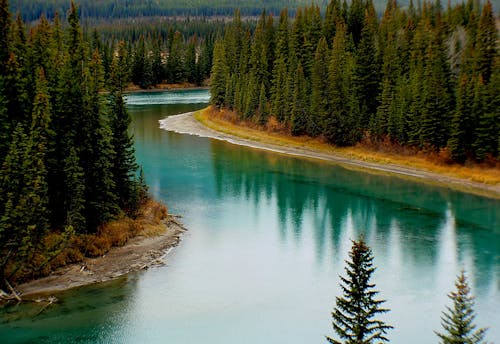
Freshwater: The freshwater biome includes rivers, lakes, and ponds that are found all over the world.
- Plants in the freshwater biome include algae, lilies, and reeds, while animals include fish, frogs, snakes, and turtles.
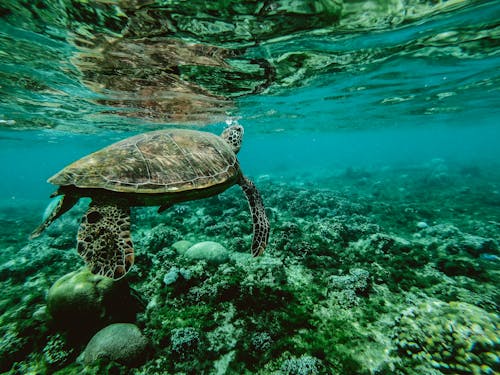
Marine: The marine biome is the largest biome and includes oceans, seas, and estuaries.
- Plants in the marine biome include seaweed, sea grasses, and algae, while animals include whales, dolphins, sharks, and fish.
Summary
Climate and biomes are two of the most important components of the Earth’s environment. Climate is the average weather conditions in a particular region over a long period of time, while biomes are the major regional groupings of plants and animals that are determined by climate. There are five major types of climates and eight major types of biomes on Earth, and they are closely related, as the climate of a region determines the type of biome that can exist in that region.










Responses