

How Geography Affects The Way People Live: A Quick Look at The Impact of Climate on Human Habitation

Photo above by Pok Rie from Pexels
-By P. Ketal and D. A. Cullors (Contributing Authors).
A continent is a continuous and large mass of land that covers the earth. There are 7 such continents, and each of them has different physical and human geography. On each of these continents the human inhabitants had to adapt to their unique environment, which included weather, plants, animals, seasons, and other resources. They adapted not only in behavior, but also their customs, beliefs, and expectations of one another. In the following paragraphs we will review some of these factors to give you a general idea of how geography affects where and how people live.
Asia
Out of the seven continents, Asia is the largest, covering about 44.6 million square kilometers. It is populated by a diversity of people groups and cultures, and also contains the largest portion of the earth’s population with about 4.6 billion people. Asia contains the highest and lowest points of the earth, which are Mount Everest and the Dead Sea respectively. The Himalayas, where Mt. Everest is located, is a vast range of mountains that runs through India and Nepal and covers about 612,000 square kilometers. There are vast grasslands in Central Asia, in the area of Afghanistan and Pakistan you will find plateaus (which are generally flat regions of elevated land), and in Siberia some of the coldest and most desolate wastelands exist. The largest “sand sea” on earth, the Rub’ al Khali, is also in Asia, while in the southeast of the continent some of the most beautiful and lush jungles can be found.
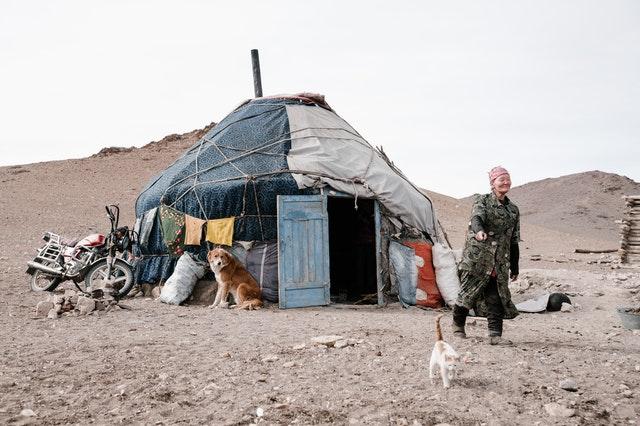

Examples of Asia’s geographic effect on humans
The lifestyle of the Himalayan people has been affected considerably by the people having become accustomed to surviving in a cold and mountainous region. They have little to no contact with outsiders and their social circle is limited to their tribes and villages. Other notable examples are:
- People living on plateaus mostly depend on agricultural output for food. Several important crops which include rice, tea, coconuts, sugarcane, etc. are exported to other continents from Asia.
- However, many parts of the desert areas of western China, or the Arabian Peninsula, are not suitable for humans to live in due to intense heat and low water availability- although a few tribes do live on the edges of the desert.
- Because Japan is an extremely mountainous island only about 33% of it is actually habitable. Most of the cities are in whatever lowlands exist, making most of them jam-packed. Tokyo, for instance, has a population of over 8 million people, and a density of about 16,000 people per square mile- roughly twice as dense as Los Angeles (with 8,400 per square mile), and almost four times as dense as Houston (with 3,600 per square mile). The greater Tokyo metro area is the most populous metro area in the world with almost 37.5 million inhabitants.
Africa
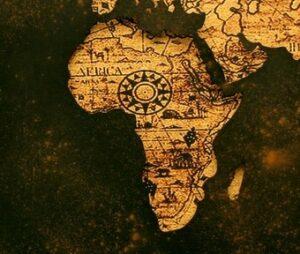
Africa is second to Asia in both population and size and covers about 30 million square kilometers. It is also very populous with approximately 1.3 billion people and has one of the world’s highest birthrates. Our ancestors and most of their descendants have lived on this continent for about five million years. As it is the oldest inhabited area, it is called the ‘mother continent’ or ‘motherland’. It is home to the largest river in the world, the Nile River, as well as the largest desert in the world, the Sahara Desert, covering about 9.2 million square kilometers- larger than the United States of America.

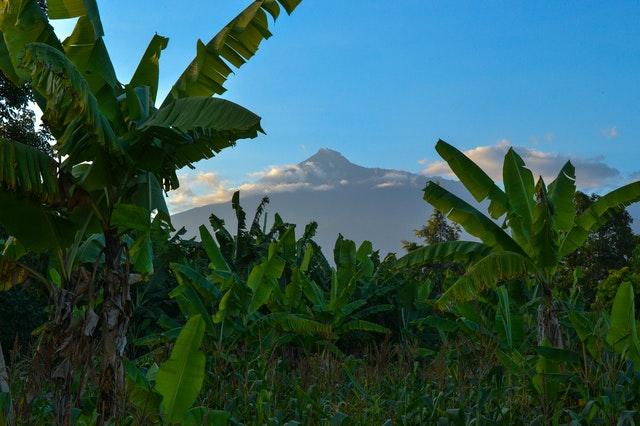
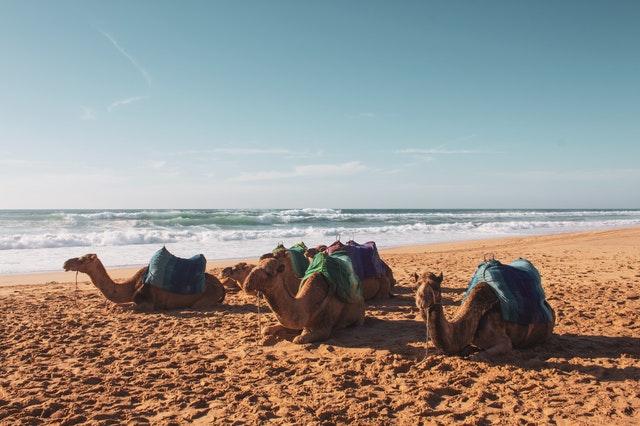
Examples of Africa’s geographic effect on humans
For most of human history it has been sparsely populated by mostly black Africans. However, people from other continents also moved to Africa over the years. Despite having the second largest area of land, only about ten percent of the world’s population lives in Africa because the climate conditions are so intense and extreme. For instance,
- While civilizations have emerged and thrived in Africa, many were highly localized (i.e., Egypt and Nubia) and heavily dependent upon temperamental rivers that could either dry up or flood depending on rainfall.
- Africa’s geography also contributes to greatly to its poverty. Much of the continent consists of desert areas that are unsuitable for living (the Sahara in the north, and the Kalahari in the south). The Sahara also lies between most of Africa’s habitable areas and the outside world, making international trade extremely difficult.
- Many of the habitable parts lying outside of these areas are in hot tropical climates where infectious diseases easily thrive- making sparse population a more suitable condition for humans than that of high-density habitation.
- Despite the African continent being in the geographic center of the world, and surrounded by four bodies of water, much of its coastline is ill-suited for seaports- which limits trading from outside the continent. And most of its rivers are not navigable enough to facilitate trading among the nations within the continent.
All of these factors taken together has meant that, although Sub-Saharan Africa was not completely cut off from the outside world, it was certainly more isolated than it would have been without these barriers.
North America
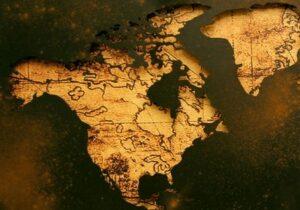
North America is the third largest continent in the world with an area of about 24.5 million square kilometers. However, compared to the aforementioned continents it is not very populated, having only 369 million people, which makes it the fifth most populated continent. The largest freshwater lake (Michigan-Huron) is in North America covering about 82,100 square kilometers. Also, some of the major desert regions of the world are in the American Southwest area. The older mountain regions including Appalachian ranges are in the eastern part of this continent, and the Rocky Mountain range in the western part. Mexico, in the southernmost area of the continent is also one of the most mountainous areas of the world. In fact, it is so mountainous that if it were stretched flat it would cover the same area as Asia.
Examples of North America’s geographic effect on humans
For thousands of years, the Innuit communities living in the northern parts of Canada and Alaska have traditionally followed a nomadic lifestyle due to the harshness of the frozen tundra. The beliefs and traditions of this continent are very much affected by the environment. Native American tribes incorporated natural fauna very prominently in their mythologies. The Aurora borealis, also known as northern lights, play a major role in this regard. The people believe that these lights are some sort of map guiding the hunters or maybe their friends and families are showing up in the form of light from the afterlife. Other examples are:
- Since the mountain ranges of Mexico run down the center of the country, it has been very difficult historically for its government to unite, assist, and control its territories that exist on the opposite side of the range from its capital.
- Making things more complicated, its eastern coast, which is the most connected coast it has to the outside world, is frequently subjected to hurricanes and tropical storms- undoubtedly eating away at some of its value as a vector for international trade.
- The US state of West Virginia sits awkwardly within a mountainous part of the US. It has no access to the coast, no meaningful access to significant rivers compared to its neighbors, and very little flat land for agriculture. Thus, the state consistently ranks as one of the nation’s poorest by just about any metric.
South America
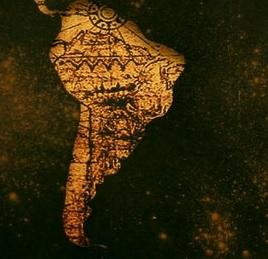
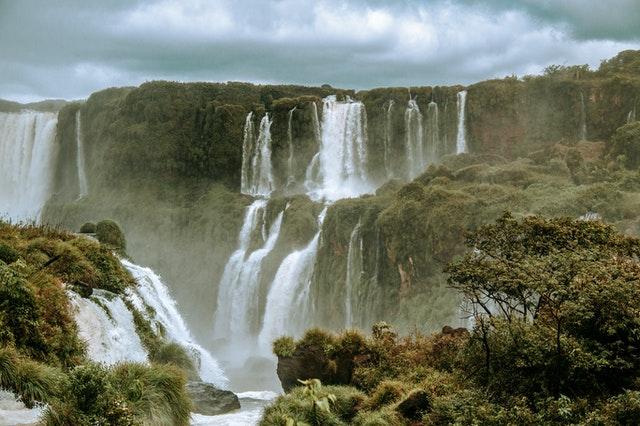
South America is the fourth largest continent in the world. Its population is 431 million and it spans an area of 17.8 million square kilometers. It is not very populated, however still some of the most populous cities of the world such as Buenos Aires, Argentina; and Rio de Janeiro and Sao Paolo, Brazil belong to this continent. It also has the longest mountain range in the world, the Andes Mountains, which cover about 7,000 kilometers. The driest place in the world, the Atacama Desert, as well as the longest river of the world, the Amazon River, are present on this continent. South America is sometimes called the continent of extremes due to the diversity of climates that can be found in such a small area.
Examples of South America’s geographic effect on humans
The regional landscapes heavily affected where people could settle in South America.
- The mountain region helped the Inca people by providing security and for fishing and giving them almost exclusive access to Pacific coast.
- Much of the interior of the continent is covered by the Amazon jungle, negating much of Brazil’s size advantage given the fact that little of this area is easily accessible, and any effort to remove the jungle would be met with international opposition given the importance of the jungle to the planet’s atmosphere. Most of Brazil’s population lives within a few miles of the Atlantic coast.
Antarctica
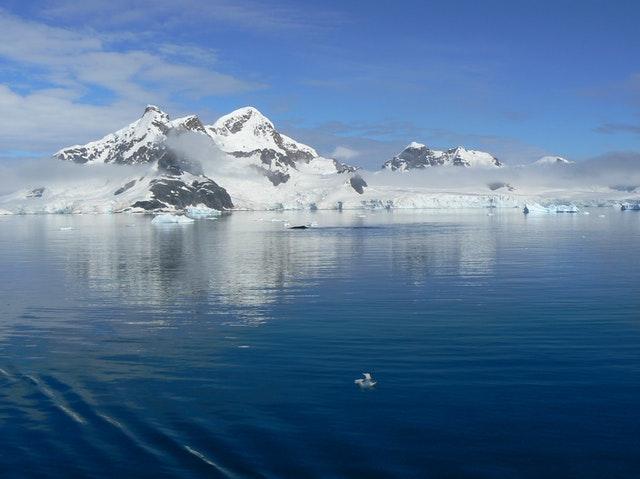
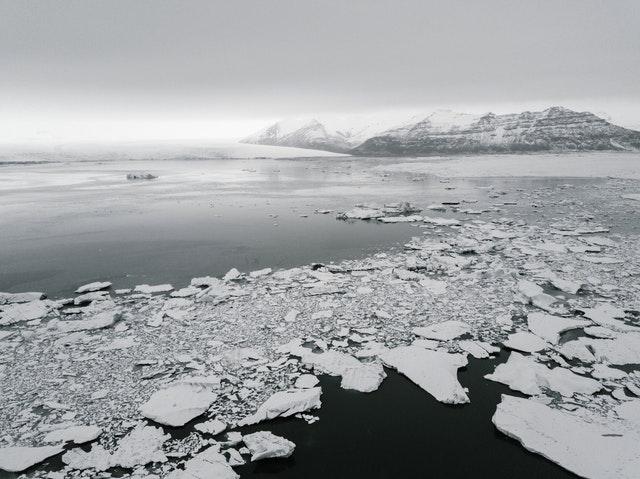
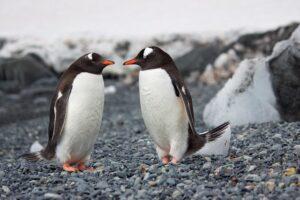 Antarctica is the fifth-largest continent in the world, and it covers an area of 14 million square kilometers. The largest single sheet of ice covers the continent. The radiations of the sun are most reflected by the ice sheets of Antarctica, which help in maintaining the heat balance of the earth. As the climate is changing due to global warming, these new climatic patterns have helped in the formation of even more ice in the continent. The changed polar winds decreased the temperature of the continent up to -10 to -30°c in winter. In summer the temperature reaches up to 0°c. Some mountain regions exist in Antarctica with altitudes greater than 4500 meters. Antarctica also has several small islands which are mostly claimed by the United Kingdom.
Examples of Antarctica’s geographic effect on humans
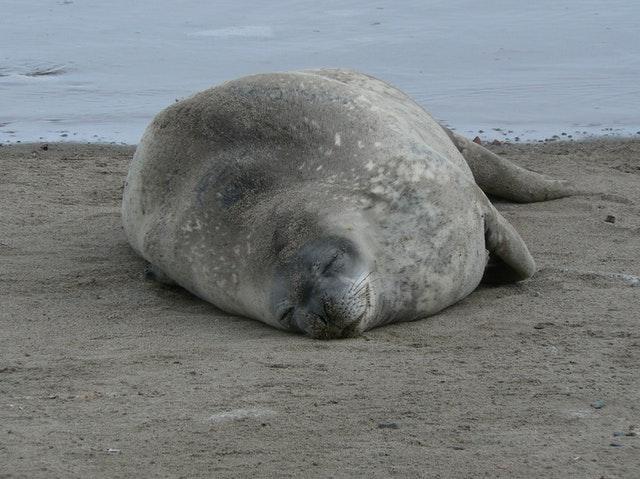
It is known that Antarctica is the least populated continent of the world due to its very cold weather. However, in summer up to about 4,400 researchers do live there. In winter, this number gradually decreases to around a thousand people. Eco-tourists and those who live and work on scientific research stations are the two primary groups of people that travel to or live in Antarctica. Suffice it to say, there are no commercial industries, towns, or cities, and no permanent people on the continent because it is usually covered in ice almost 365 days of the year.
Europe
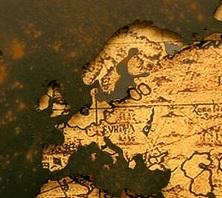 Europe is the sixth-largest continent of the world according to the area. It covers about 9.9 million square kilometers. However, based on population, it is the third-largest continent with a population of 746 million people. The largest nation in the world (Russia) and the smallest nation in the world (the Vatican City) are both in Europe. Many small peninsulas comprise the one big peninsula which is the continent of Europe. In fact, it is occasionally suggested by some that Europe and Asia be considered one large continent (Eurasia), and that Europe simply be seen as a subcontinent of that larger land mass. Europe has mountain ranges, such as the Alps, the Pyrenees, and the Ural Mountains, as well as major rivers like the Rhine and the Danube, which are important in the trade and economic growth of the continent.
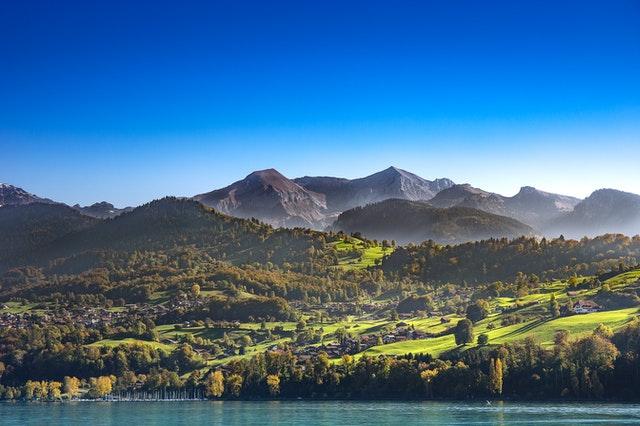
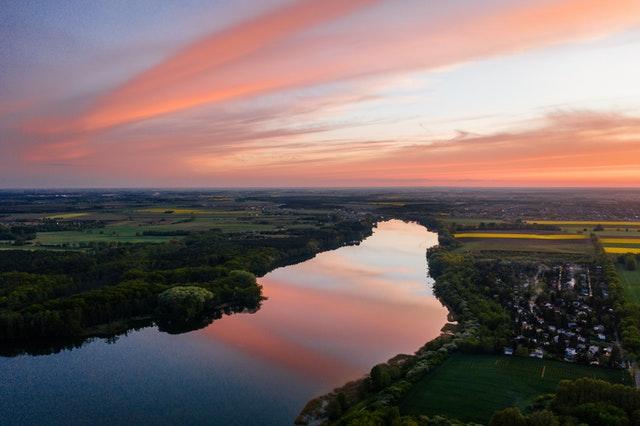
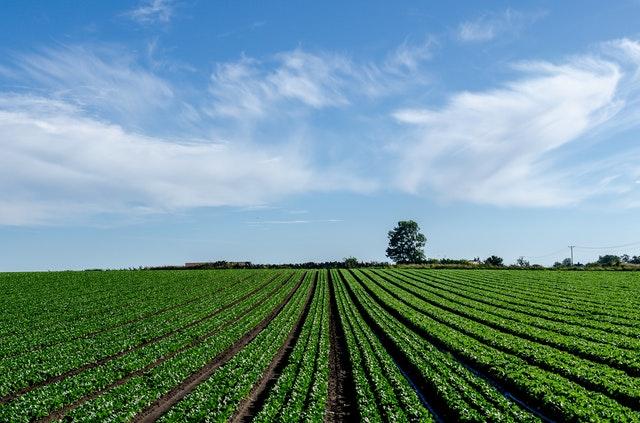
Examples of Europe’s geographic effect on humans
The southern peninsulas helped Europe to grow economically and culturally through the early years of this continent. An easy example of this is the impact on the cuisine that international trade has had- neither tomatoes nor noodles are native to Italy, although both feature prominently in popular Italian cuisine. This might not have been the case had Italy not been a peninsula on the southern coast of Europe.
Various ancient Greek mythologies were associated with geographic and geological features of the region. For instance, the volcanoes of the Mediterranean region which were considered the goddesses of fire, and the Greeks, being coastal people, believed that tsunamis are due to the anger of a sea god.
Due to its smaller size, shape, and latitude Europe’s population trended in the opposite direction from some its larger neighbors, parts of Asia and most of Africa, becoming a more densely populated and urbanized land. Therefore, many of the advantages and disadvantages of so many people groups interacting and competing for resources through time help to shape the cultures on the continent. They became more and more diverse and refined through this process. This, along with international trade and interaction, among other factors, helped to facilitate urbanization. This in turn paved the way for the establishment of Classic and Western civilizations. Neither of which would have developed had the geography of the southern coast been less advantageous and connected to the outside world. This is the reason that civilization spread from southern Europe northward rather than the reverse.
Australia
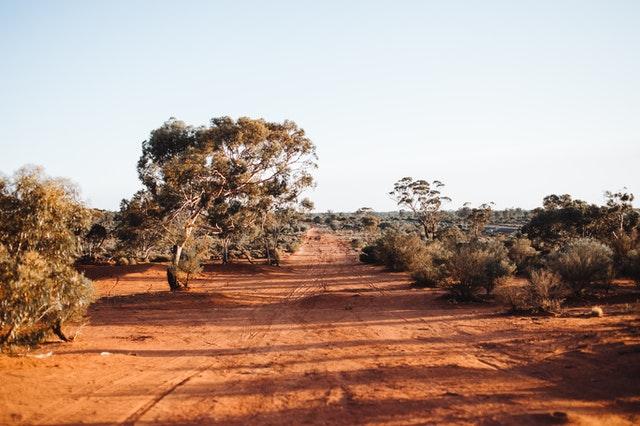
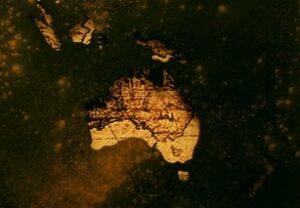 Australia is the smallest continent in the world with only 7.7 million square kilometers of area. However, it is the only continent that is also a country. Based on population, it is the sixth-largest country in the world. It has a population of only 25 million people, smaller than nations such as Kenya, Colombia, France, Italy, and even the US states of Texas and California. For millennia it was sparsely populated, and undiscovered by outsiders, as it is separated from other continents. It also comprises some other nearby islands. Some geographers combine Australia with the Pacific Island clusters of Melanesia, Micronesia, and Polynesia into one larger continent of islands called Oceania. Australia has developed economically over the years and has become the twelfth largest economy in the world. The landscape of the country mostly consists of low desert plateaus and very little variation.
Examples of Australia’s geographic effect on humans
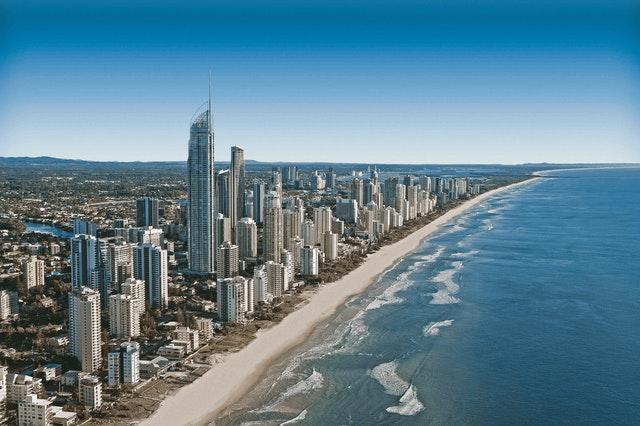
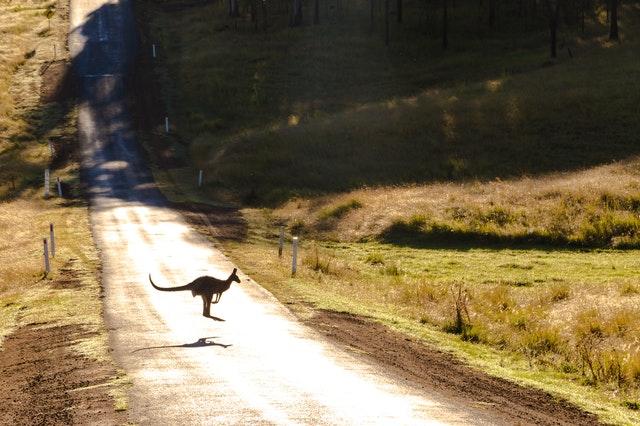
With much of the interior of the continent being desert most of the people live near the coasts, and in urban cities such as Brisbane and Sydney. Due to the year-round sunshine and the presence of beautiful beaches, the beach culture is deep-rooted in the Australian people, and they love all kinds of water sports. Different habitats exist in Australia despite the mostly arid land. Many unique species of plants and animals, like kangaroos and koalas, are only found in Australia.
Cultures are affected by weather, climatic conditions, landscapes, and other physical factors. The food individuals eat is determined by local resources, which has an impact on a population’s overall health and nutrition. Every continent has own specific physical features and has its own specific effect on the lives of people living in them.
How has the climate or geography affected people’s lifestyles where you live? Tell us in the comments below.








Responses