

The Importance of Shipping to the Global Economy

Sea Routes
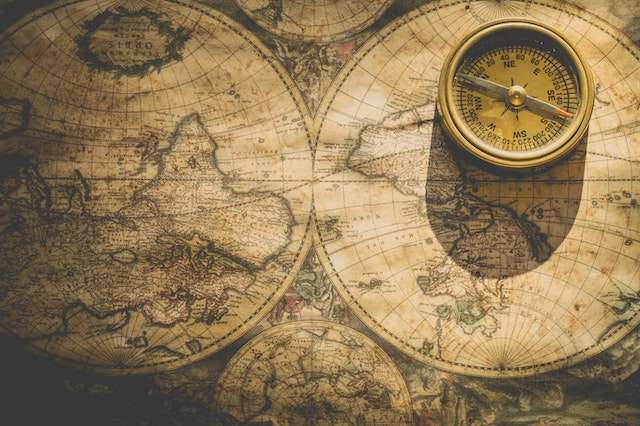
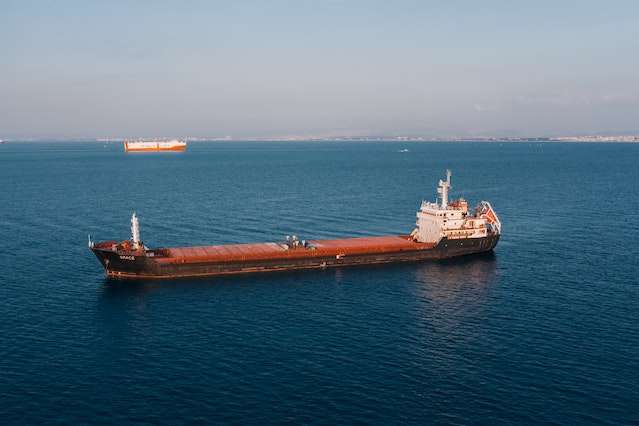
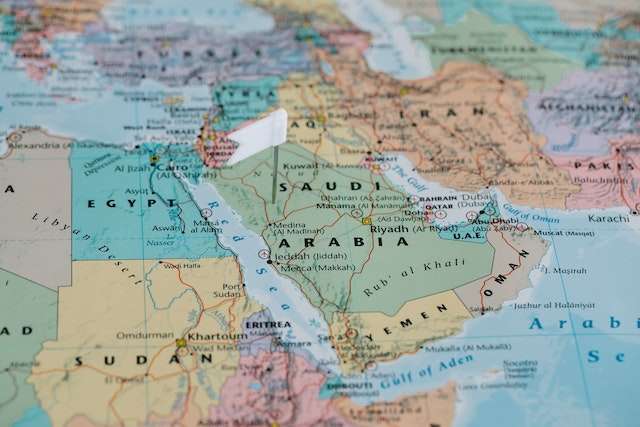
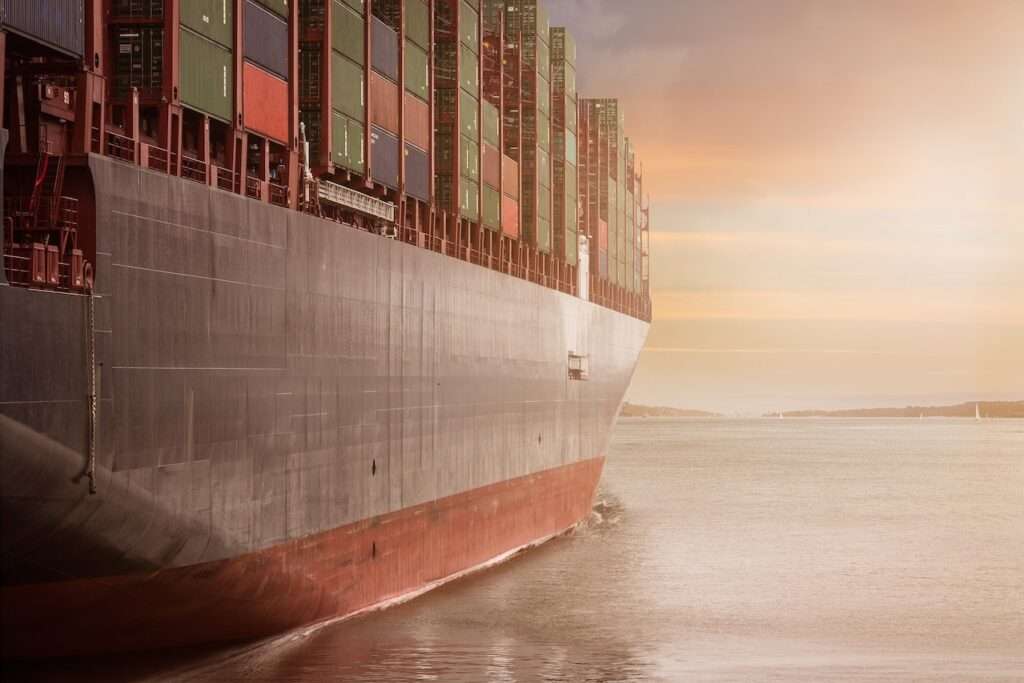
Sea routes are the primary means by which goods are transported around the world. To determine the best routes, ship owners must consider a number of factors, such as weather forecasts, prevailing currents, and sea depths. The International Maritime Organization (IMO) is responsible for setting standards and regulations for safety and pollution prevention at sea.
IMO measures cover all aspects of international shipping – including ship design, construction, equipment, manning, operation and disposal – to ensure that this vital sector…remains safe, environmentally sound, energy efficient and secure. (Introduction to IMO)
In general, most sea routes follow the same general pattern where ships leave a port in one country and make their way to another port in a different country in as straight a route as possible. It is the most cost-effective way to transport goods, as ships can travel in as fuel-efficient a manner as possible. Sea routes are also predetermined by the IMO as a means of facilitating safer and/ or more environmentally friendly shipping.
Ports
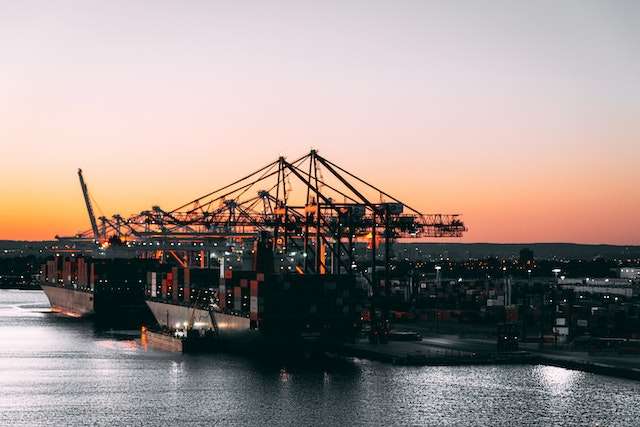
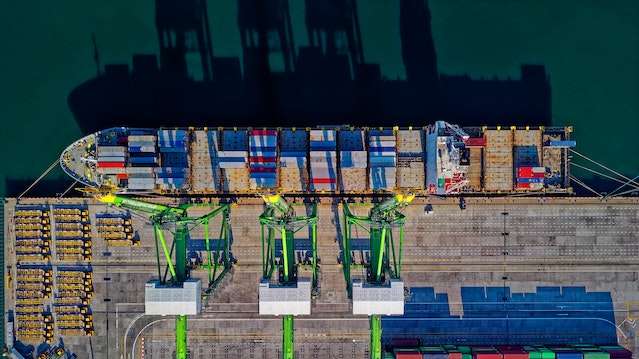
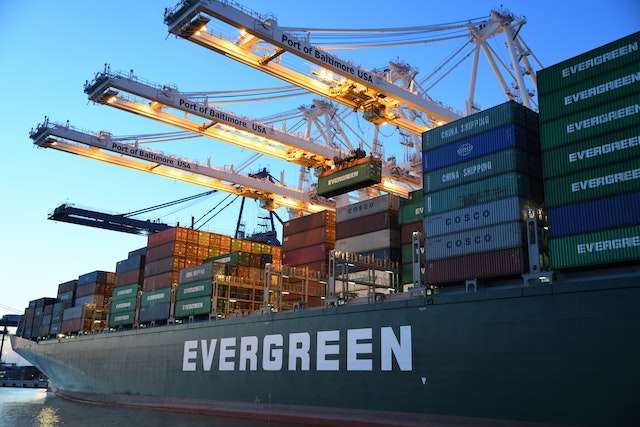
Ports are an essential part of the world shipping system. They are the points of entry and exit for cargo ships, and they provide vital services such as loading and unloading, refueling, and repair. Ports also provide storage facilities for goods, as well as customs and immigration services.
The size and location of ports are important factors in determining their viability. For example, the Port of Rotterdam in the Netherlands is one of the busiest ports in the world. It has multiple deep-water terminals and a large storage capacity, making it an ideal location for international trade.
Port traffic is an extremely intricate operation handled by a port’s Vessel Traffic Control center. It requires an abundance of factors such as ship weight and height, current weather, time of day, and even moon phases to be taken into account. In March of 2021 the freight liner Ever Given ran aground due to strong seasonal winds that caused a sand storm and dangerously high waves. The ship was stranded for 6 days until it could be towed out, but worse yet, not only was the ship itself stranded, but it completely halted all traffic through the canal. This had a ripple-effect across the globe, as all other supply chains connected to the delayed ships were also affected.
Geography
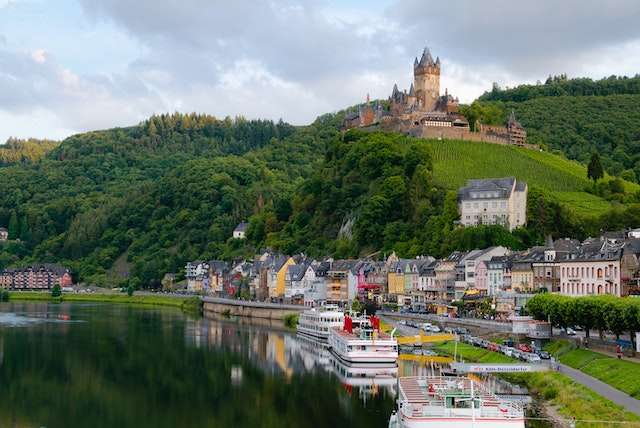
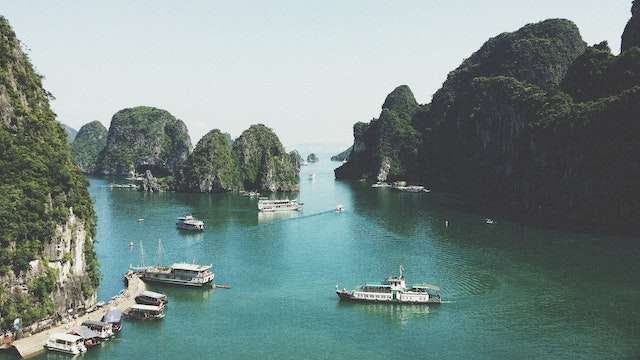
It is impossible to engage in world shipping without an in-depth knowledge and constant consideration of geography, because it affects the shipping routes that ships take, and determines whether or not a particular country can even trade via shipping. For instance, many of the world’s major ports are located in strategic locations, such as straits, bays, and estuaries. This allows ships to access ports more easily, as they can pass through these bodies of water without having to navigate around land masses. Ships travelling from the East Coast of the United States to Europe may take a route through the North Atlantic, but those travelling from the West Coast must use the Panama Canal, otherwise they would be forced to sail around the entirety of South America first. While canals offer much shorter routes, they can also be more expensive due to the fees associated with using them.
Geography also explains why some nations, such as Japan, Greece, and some in Southeast Asia have easier access to the sea while some others, such as Russia and China must constantly navigate barriers to sea trade. In Russia’s case, most of its northern coastline freezes over for parts of the year- making it useless for any significant sea trading until the ice thaws. Russia is therefore highly dependent upon its port in Sevastopol, which is its only warm-water port that does not freeze over. Furthermore, of the remaining Russian ports, only the one in Petropavlovsk has open access to the ocean without having to pass through the territorial waters of a neighboring country.
China is surrounded by island nations that can block its access to the sea if hostilities began. It is also extremely dependent upon trade routes that go through the Malacca Strait, which, if blocked, would cripple China’s economy because most of its oil imports from the Middle East have to travel through that strait. Some countries, like Armenia, Azerbaijan, Bhutan, Bolivia, etc. are landlocked, and thus have no access to the sea at all. Much of Africa’s coastline is not suitable for ports due to the lack of inlets, bays, or navigable rivers. A country in any of these predicaments will have to depend on neighboring countries for access to ports-making their economy highly vulnerable to the conditions and disposition of those countries.
Geopolitics


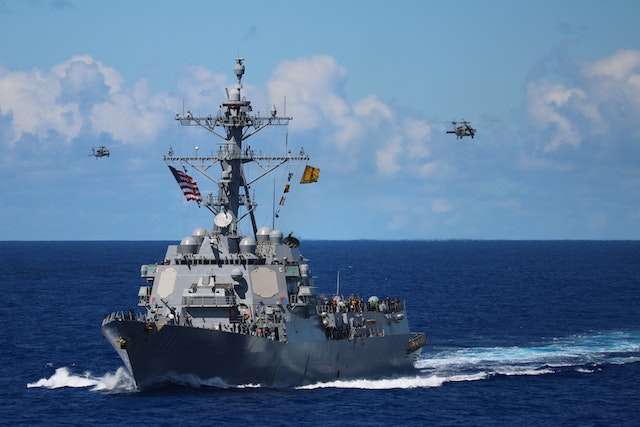

Geopolitics usually have an intimate connection with shipping. Political tensions between countries can affect shipping routes, as ships may be barred from entering certain ports or subjected to tariffs. This is especially true in the Middle East, where the political situation is often volatile and unpredictable. In a time of dispute, certain routes may even be blocked in order to economically affect a rival country. For instance, the Strait of Hormuz (between the eastern tip of the United Arab Emirates and the coast of Iran) and the Strait of Malacca (between the Malay Peninsula and the Indonesian island of Sumatra) are critical points the blocking of which could completely cut off critical oil supplies from the rest of the world- especially to the Far East.
International trade agreements
Treaties and trade agreements made between countries also have an impact on world shipping. International trade agreements are negotiated between countries to reduce or eliminate tariffs and other barriers to trade. These agreements can have a major impact on the global shipping industry, and thus have geopolitical significance as they can make it easier and cheaper to transport goods across certain borders. On the other hand, they can also lock out countries not part of the agreement.
Port Ownership
Ports can become geopolitical entities in and of themselves. Many ports are owned by countries outside of the country in which they are located. For instance, the Port of Los Angeles is partly owned by a company in Singapore, and there are at least 5 ports in the US that are at least partly owned by firms in China. This is not without controversy, as there are those who assert that China can, and perhaps does, use this as an opportunity to spy on the US or negatively influence its economy. Currently, China owns over 90 ports in more than 50 different countries. It should be noted, however, that China is not the only nation that has a full or partial stake in overseas ports, but it is one of the most aggressive in pursuing port ownership abroad. The country uses this tactic as a means of spreading its economic and military influence into other nations. A nation owning a port in another country could immediately cut the host country off from trade simply by delaying or shutting down activity at the port. While a major power like the US would be able to respond to such actions with equal or greater force, smaller, weaker, and more economically dependent countries, such as Djibouti or Sri Lanka, would be powerless to do anything about the situation.
Keeping the Oceans Safe for Trade
Under the Bretton Woods Agreement, the United States Navy has been the main guarantor of international maritime security, and although most countries with a navy will patrol there own waters few have the size, power, or budget to do so far beyond their own territorial waters as the US does. What that being said, keeping the oceans of the world safe is a join effort between a coalition of navies (i.e. the UK Royal Navy, the Bahrain Royal Navy, the French Navy, the Royal Australian Navy etc.).
Conclusion
World shipping is a complex system that involves multiple stakeholders and factors. This article has provided an overview of how world shipping works, from the logistics of sea routes and ports to the geopolitics of international trade. Sea trade has had a profound effect on world trade, and its influence is felt every day. It has enabled the exchange of goods and ideas between cultures, allowing civilizations to benefit from each other’s resources and knowledge. It has also helped to create a global economy, connecting people and cultures in ways that were previously impossible. Its ability to move goods quickly and efficiently has led to the growth of many industries and has spurred economic development around the world. Sea trade has undoubtedly increased economic prosperity, and its impact on world trade will continue to be felt for many years to come.












Responses