

Understanding Inflation and Its Causes

An audio version of this article is available below.
Inflation is a term used to describe the sustained increase in the general level of prices for goods and services in an economy. It is important to be aware of the potential positive and negative effects of inflation, and to understand the implications that it can have on your personal finances, as well as the overall economy.
Inflation is caused by an increase in the money supply, a decrease in the value of currency, or a combination of both. Put simply, the more money there is, the more people, businesses, or governments are likely to use. However, the amount of things available to buy or pay for (supply) does not always increase along with the amount of money people are trying to spend (demand). When this happens, you have inflation. It is important to differentiate between inflation and a rise in prices for a particular good or service, since an increase in the price of a single item does not necessarily mean that inflation is occurring.
The Sources of Inflation
While the value of the circulating currency is the foundation of inflation, there can be a few different factors associated with its fluctuation in value.
- Excessive Money Printing by the Central Bank: When the central bank prints too much money, it increases the money supply in the economy. This can lead to an increase in prices due to the increased demand for goods and services caused by the additional money.
- Government Borrowing and Spending: Connected to excessive money printing is when the government borrows and spends money, because it also increases the money supply in the economy.
- Increases in the Money Supply Due to Credit Expansion: When banks lend more money than they have available in deposits, they are increasing the money supply in the economy.
- Declining Savings Rates: When people save less of their income, they are not taking money out of the economy, which, again, can lead to an increase in prices due to the increased demand.
Types of Inflation

Here are the types of inflation that can occur. Notice that a rise in the money supply or prices is always a factor.
- Demand-Pull Inflation: This is the most common type of inflation, and occurs when there is an imbalance between the demand for goods and services and the available supply. This imbalance causes prices to rise as demand is greater than supply. An increase in demand for a good or service will cause prices to rise because it creates a situation of scarcity. When there is higher demand for a good or service than is available, the sellers will be able to raise the price as buyers are willing to pay more to obtain the product. Sometimes, sellers may feel pressured to raised prices if they think the supply or material for their products will not be available for some time once their current inventory is sold. This is a basic economic principle of supply and demand.
- Cost-Push Inflation: This type of inflation occurs when the costs of production increase due to external factors such as increased taxes, increased wages, and rising raw material prices. The added costs will then be passed down to the consumer and experienced as an increase in prices.
- Built-In Inflation: This type of inflation occurs when businesses and manufacturers raise prices in anticipation of future cost increases. One might also call this anticipatory inflation.
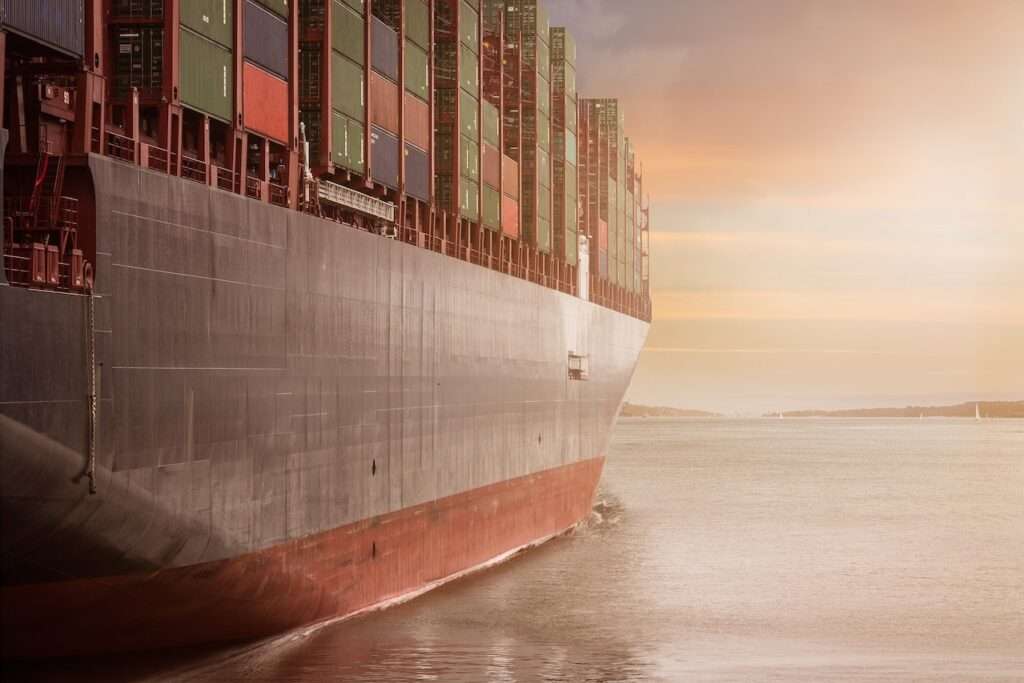
- Imported Inflation: This type of inflation occurs when the prices of imported goods and services increase due to an increase in the cost of foreign currency or an increase in the cost of shipping.
- Hyperinflation: This type of inflation occurs when prices increase rapidly and uncontrollably, usually as a result of an economic crisis or a government’s inability to manage its finances.
Inflation and Personal Finance

The positive effects of inflation are that it can provide a boost to economic growth by encouraging consumer spending and business investment. It can also help to reduce the value of debt, since it causes the value of money to decrease over time. In addition, it can increase wages and salaries, making it easier for people to meet their financial obligations.
On the other hand, the negative effects of inflation can include decreased purchasing power and higher costs of living. When the value of money decreases, people must pay more for goods and services, making it more difficult to maintain their standard of living. Inflation can also lead to a decrease in savings, as the real value of money decreases over time. This can have a direct effect on the economy, since a decrease in savings can reduce the amount of money available for investment.
Inflation and the Broader Economy

At a national level, inflation is a major factor in the health of an economy. When the rate of inflation is too high, it can lead to an overall decrease in purchasing power. This can lead to a decrease in consumer spending and investment, resulting in a decrease in economic growth. On the other hand, when inflation is too low, it can lead to a decreased incentive to save money, resulting in an overall decrease in economic growth.
Inflation can also have an effect on the world economy. When the inflation rate of one nation is too high, it can lead to an increase in prices in other countries as well. This can then lead to a decrease in international trade, as goods and services become more expensive to obtain.
Inflation is a complex and ever-changing phenomenon, but it is important to understand the causes in order to best manage its effects. Inflation is caused by a variety of factors, including the supply and demand of money, the output of goods and services, and the cost of production. The Federal Reserve also has a large role to play in the rate of inflation, as it is responsible for setting the nation’s monetary policy. Inflation can have both positive and negative consequences, and it is important to understand the causes in order to effectively navigate these effects. Understanding inflation and its causes is essential for individuals, businesses, and governments to make the best decisions for their own financial security.











Responses