
Basic Wide Receiver Route Combinations

Cab
Cover 2 Beater
Cover 3 Beater
Curl Flat
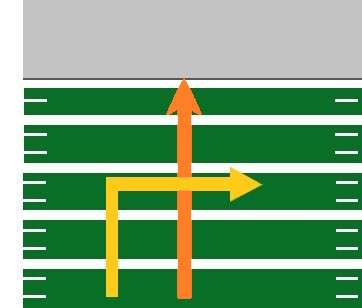
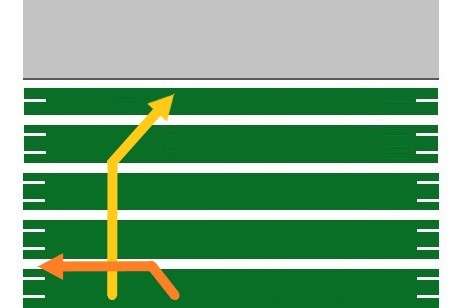
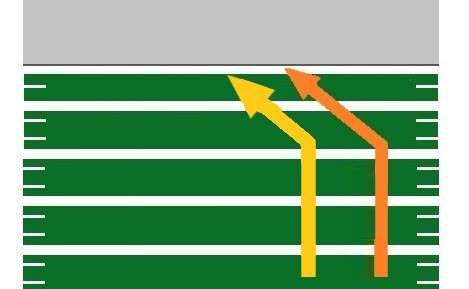
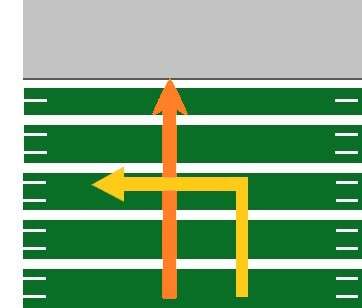
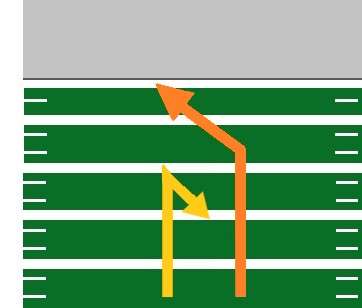
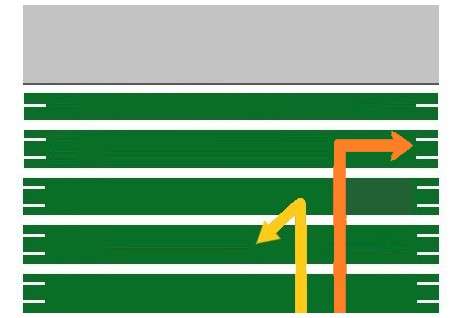
Cab: This concept uses a deep post or go route to clear out the secondary, allowing a high-speed “dig” or square-in route to find open space underneath the deep coverage.
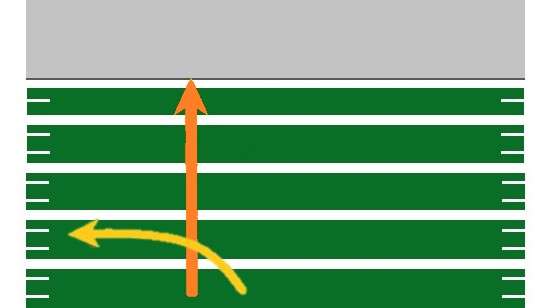
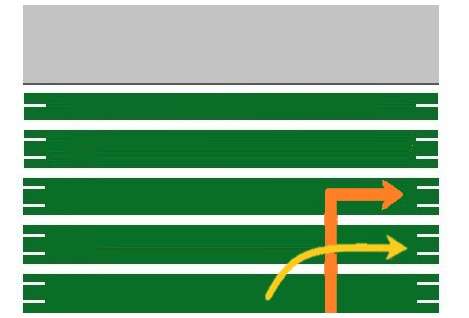
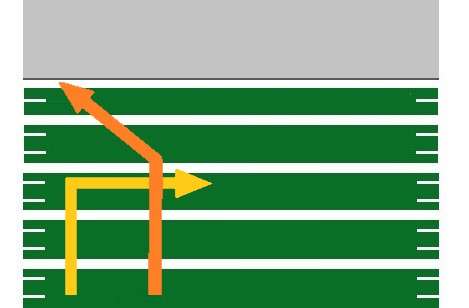
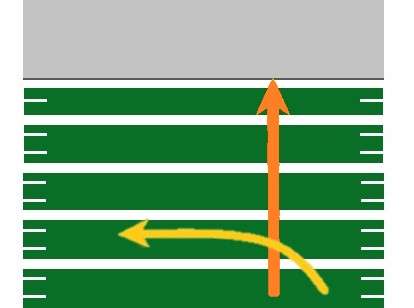
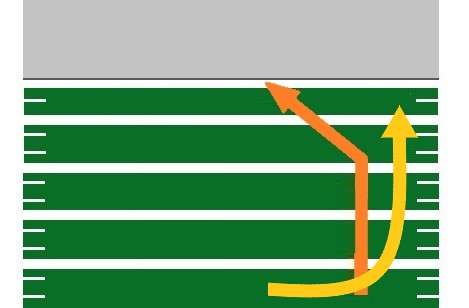
Cover 2 Beater: This strategy aims to stretch the two deep safeties horizontally or vertically to create a massive hole in the “honey hole” (the sideline gap between the corner and the safety) or down the middle of the field.
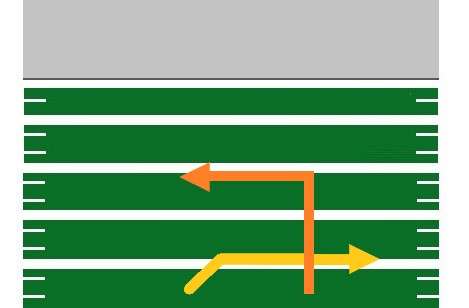
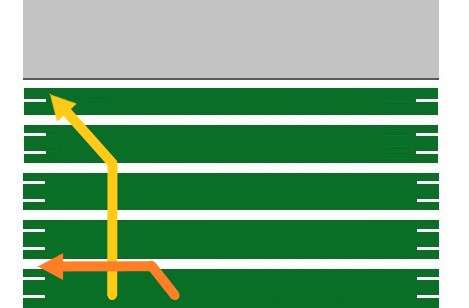
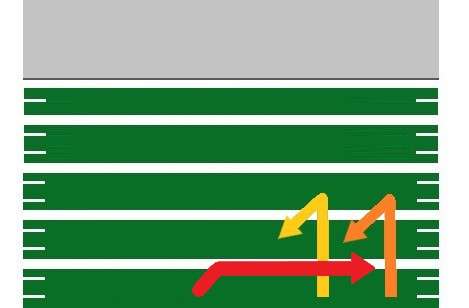
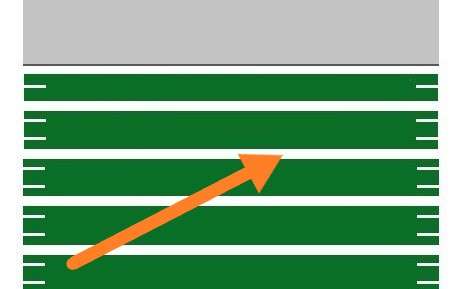
Cover 3 Beater: These plays focus on overloading one of the three deep zones or using a “seam” route to force the single high safety to choose between two vertical threats.
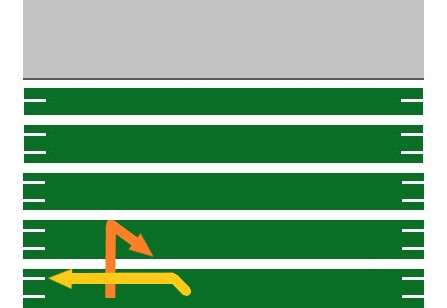
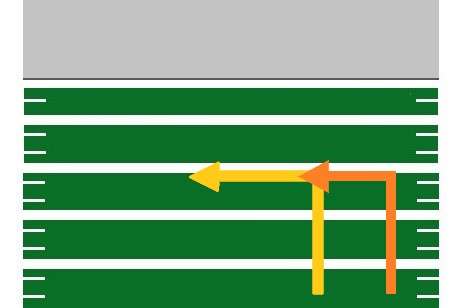
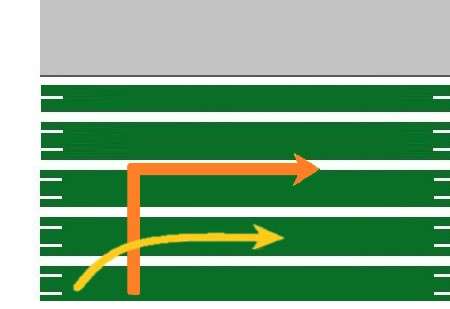
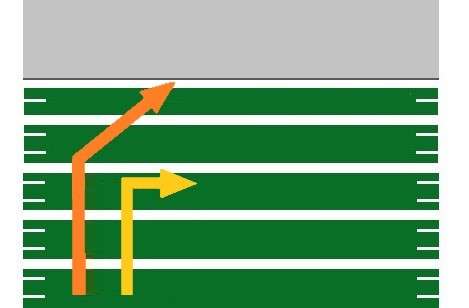
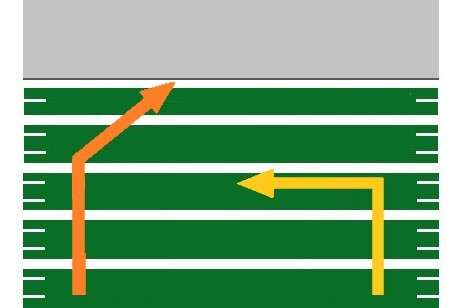
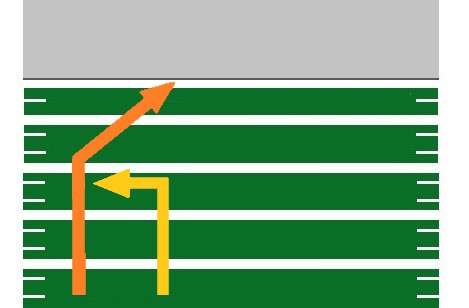
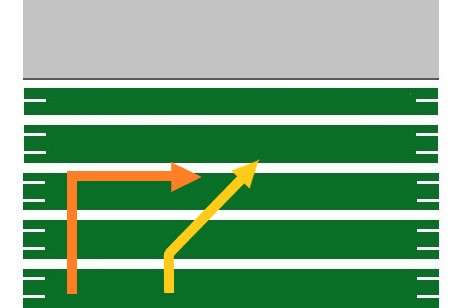
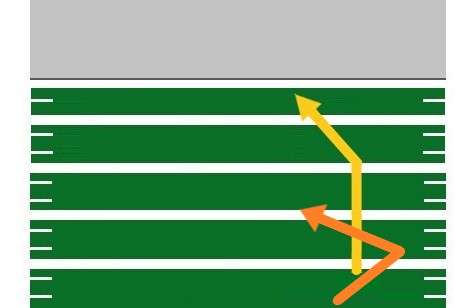
Curl Flat: This classic horizontal stretch forces a single flat defender to choose between shadowing the quick out-breaking flat route or dropping back to cover the deeper curl route.
Curls
Dagger
Depot
Diagonal Nine
Curls: This concept uses multiple receivers running hitch or curl routes to find “soft spots” in zone coverage, forcing defenders to remain stagnant while receivers turn back toward the quarterback in open throwing windows.
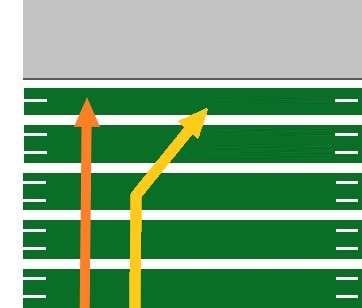
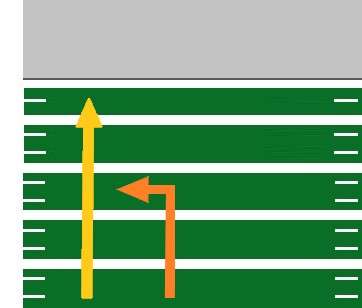
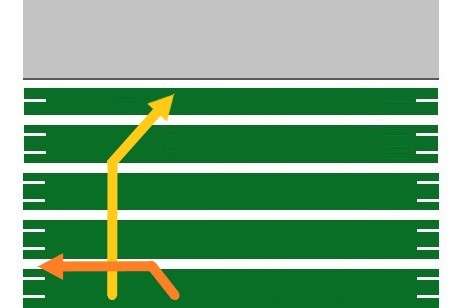
Dagger: The goal is to clear out the high safety with a deep vertical “clear” route, creating a massive void in the middle of the field for a trailing receiver running a deep “dig” or square-in route.
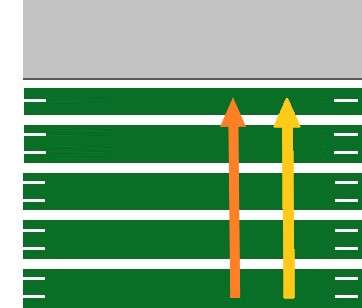
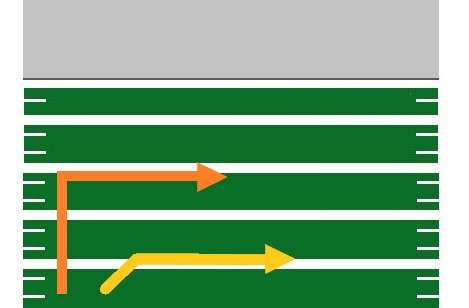
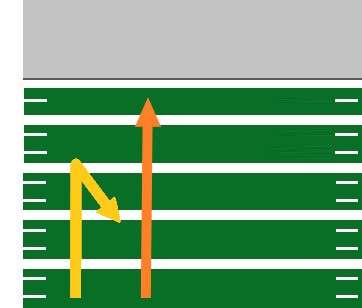
Depot: This is a vertical “high-low” stretch designed to isolate a sideline defender (like a Cover 2 cornerback) by placing one receiver on a deep sideline route and another on a shallow out or “flat” route.
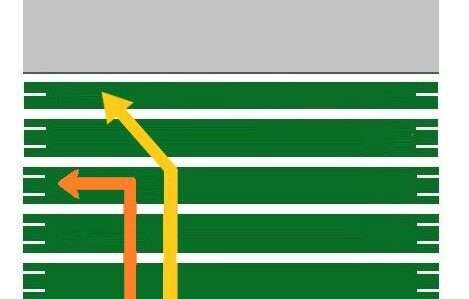
Diagonal Nine: This concept aims to exploit the “seam” of the defense by having a receiver run a vertical streak (9 route) that is angled diagonally toward the sideline or middle to force a safety into an awkward recovery angle.
Diagonal Six
Digs
Dino
Dog
Diagonal Six: This concept uses an angled, shallow “in” or “drag” route to cross the face of linebackers, aiming to catch the ball in stride and use diagonal momentum to outrun the pursuit toward the sideline or upfield.
Digs: The goal is to attack the intermediate middle of the field (typically 10-12 yards deep) by having receivers “dig” into the open space behind the linebackers and in front of the safeties.
Dino: A double-move variant of the post route, this concept aims to “sell” a corner break to freeze the safety before cutting back to the post, creating maximum vertical separation in the middle of the field.
Dog: This is a specific “hi-lo” concept designed to isolate a flat defender by pairing a deep “out” or “corner” route with a shallow “under” route, forcing the defender to commit to one and leave the other open.
Drive
Flat Seven
Flood
Hoss
Drive: This “high-low” concept targets the shallow middle of the field by using a deep “dig” route and a shallow “drag” route to sandwich a linebacker, forcing them to vacate one of the two windows.
Flat Seven: Designed to stress the sideline’s vertical integrity, this play uses a “seven” (corner) route to pull the deep defender away while a “flat” route keeps the underneath defender shallow.
Flood: The goal is to “overload” one side of the field with three receivers at different levels (deep, intermediate, and short) to ensure at least one player is uncovered regardless of the zone rotation.
Hoss: A staple of the “Joker” personnel, this concept combines “Hitch” routes on the outside with “Seam” routes on the inside to stress the horizontal and vertical seams of the defense simultaneously.
Levels
Mesh
Mills
Ohio
Levels: This concept creates a vertical “high-low” stretch on a specific group of linebackers by placing receivers at different depths (usually 5 and 10 yards) on the same side of the field to force a defender to choose who to cover.
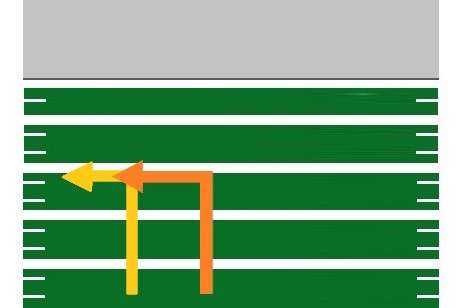
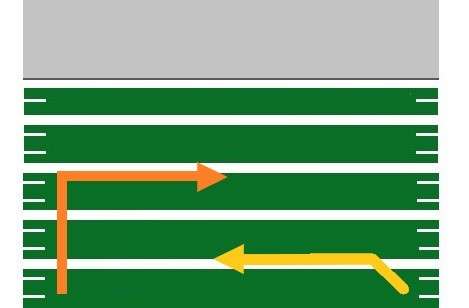
Mesh: The goal is to create a “rub” or natural pick in the middle of the field using two shallow crossing routes, forcing man-coverage defenders to collide and allowing a receiver to break free into the flat.
Mills: This classic “Post-Dig” combination aims to bait the safety into jumping the intermediate “dig” route, leaving the deep “post” wide open behind them for a touchdown.
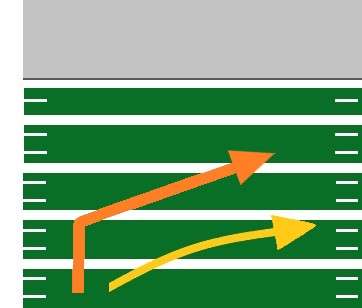
Ohio: This concept is a simple sideline stretch that pairs a “go” or “streak” route from the outside receiver to clear the deep defender with a “speed out” from the slot receiver to attack the vacated shallow zone.
Outs
Pivot
Portland
Pout
Outs: This concept focuses on horizontal spacing by having multiple receivers run simultaneous “out” routes at different depths, forcing defenders to cover the entire width of the sideline.
Pivot: The goal is to use a “shiver” or “whip” move to fake an inside slant before pivoting back toward the sideline, creating separation against man coverage or finding the soft edge of a zone.
Portland: This is a deep-ball concept that pairs a “post” route with a “cross” or “dig” underneath it to high-low the deep safety, specifically designed to exploit single-high safety looks.
Pout: A portmanteau of Post and Out, this concept aims to stretch a cornerback vertically and horizontally by sending one receiver deep on a post and another underneath on a quick out-breaking route.
Sail
Salem
Scissors
Shallow Cross
Sail: This three-level “flood” concept aims to isolate a sideline defender by placing receivers at three distinct depths—a deep vertical, an intermediate “out” (the sail), and a shallow flat.
Salem: The goal is to create a “hi-lo” read over the middle by using a deep “in” or “dig” route paired with a shallow “hook” or “sit” route, forcing linebackers to vacate one of the two windows.
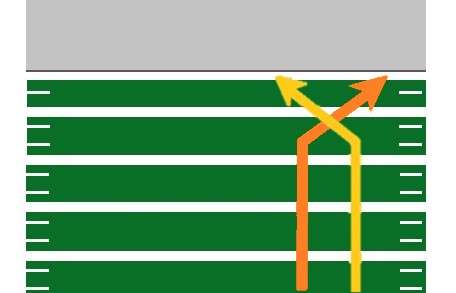
Scissors: This concept aims to confuse the secondary’s coverage rules by having two receivers “criss-cross” deep, with the inside receiver running a corner route and the outside receiver running a post.
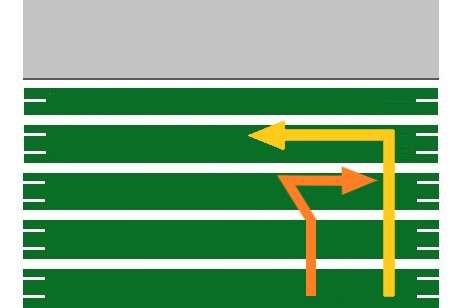
Shallow Cross: The objective is to create a horizontal “high-low” stretch by sending a receiver on a shallow drag across the formation while another runs an intermediate “dig” or “hunt” route directly above it.
Slants
Slay
Slot Cross
Smash
Slants: This “quick-game” staple aims to beat the defender across their face immediately after the snap, using the receiver’s body to shield the ball and pick up “yards after catch” (YAC) in the open field.
Slay: A combination of a Slant and a fLAY (flat) route, this concept creates a horizontal stretch on the flat defender, forcing them to either widen with the flat or stay inside to help with the slant.
Slot Cross: The goal is to use a vertical “clear-out” route from the outside receiver to pull the deep coverage away, allowing the slot receiver to cross the field underneath into a wide-open intermediate window.
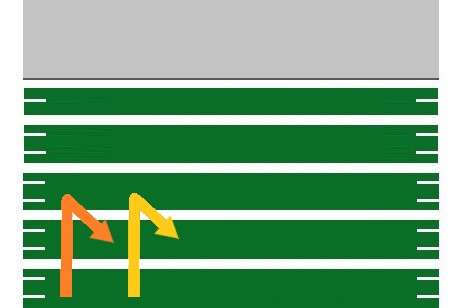
Smash: This classic “high-low” concept targets the corner defender by pairing a short “hitch” route to hold them shallow with a deeper “corner” route over the top.
Snag
Spacing
Stick
Switch
Snag: This “triangle” concept creates three distinct targets (a snag/mini-hook, a flat, and a corner) to overload a specific side of the defense and ensure a completion regardless of which zone the defenders drop into.
Spacing: The objective is to flood the short-to-intermediate area with three to five receivers who “sit” in open windows at equal intervals, forcing the defense to cover more horizontal ground than they have defenders available.
Stick: This quick-game concept uses a vertical “clear” route and a “flat” route to pull defenders away from the “stick” receiver, who runs to a specific depth and turns outside to create an immediate passing lane.
Switch: The goal is to cause a “rub” or a communication error by having two adjacent receivers cross paths immediately after the snap, switching their initial vertical tracks to confuse defenders in man or match coverage.
Texas
Verticals
Wolf
Y Cross
Texas: This “hi-lo” concept over the middle aims to isolate a linebacker by using a wide receiver to clear out the deep coverage while a running back runs an “angle” or “v-out” route underneath.
Verticals: The goal is to force the secondary to defend the entire width and depth of the field simultaneously by sending four receivers deep, theoretically outnumbering the deep-zone defenders.
Wolf: This concept is a “Post-Corner” combination designed to stress a single safety or cornerback by having two receivers break toward different deep-third areas of the field.
Y Cross: A cornerstone of the Air Raid offense, this concept uses a deep vertical route to “clear” the safety so the tight end (Y) can cross the field into the vacated intermediate space.
Responses