

The Wealth Beneath Our Feet: A Closer Look at the World’s Natural Resources


Natural resources are materials or substances that occur naturally in the environment and are valuable to humans for various purposes. They are essential for the functioning of societies and economies, providing raw materials for industries, energy sources, and supporting human livelihoods.
Natural resources can be broadly categorized into three main types based on their origin and nature:
- Renewable Resources: These are resources that can be replenished or regenerated naturally within a relatively short period. Examples include:
- Solar energy: The sun’s radiation can be harnessed to generate heat and electricity.
- Wind energy: Wind turbines convert wind power into electricity.
- Water resources: Rivers, lakes, and groundwater can be used for drinking, irrigation, and hydroelectric power.
- Timber: Forests can be sustainably managed to provide wood for construction and paper production.
- Non-Renewable Resources: These resources exist in limited quantities and cannot be easily replenished within a human timeframe. Once they are extracted and consumed, they cannot be replaced. Examples include:
- Fossil fuels: Coal, oil, and natural gas are formed over millions of years and are used as energy sources.
- Minerals: Metals (gold, silver, copper), ores (iron ore, bauxite), and precious stones are finite resources.
- Inexhaustible Resources: These resources are not depleted by human use and are considered virtually unlimited in quantity. They are often derived from renewable sources but are not consumed in the same way. Examples include:
- Air: Oxygen, nitrogen, and other gases in the atmosphere.
- Water: Oceans, seas, and large bodies of water.
- Solar radiation: The sun’s energy that can be converted into heat and electricity.
Natural resources are further categorized based on their specific applications and characteristics, such as energy resources (fossil fuels, renewable energy), mineral resources (metals, ores), water resources, agricultural resources (crops, fisheries), and more.

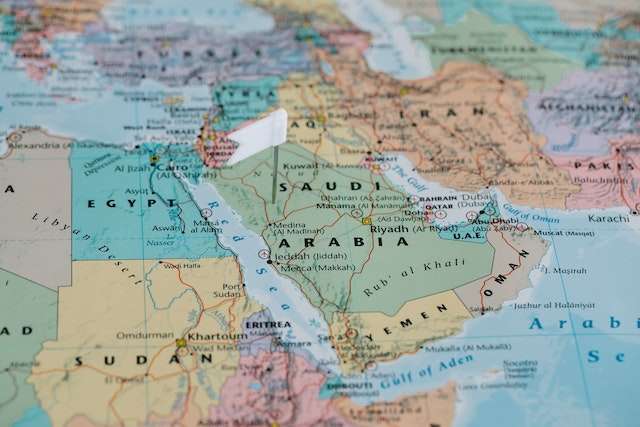
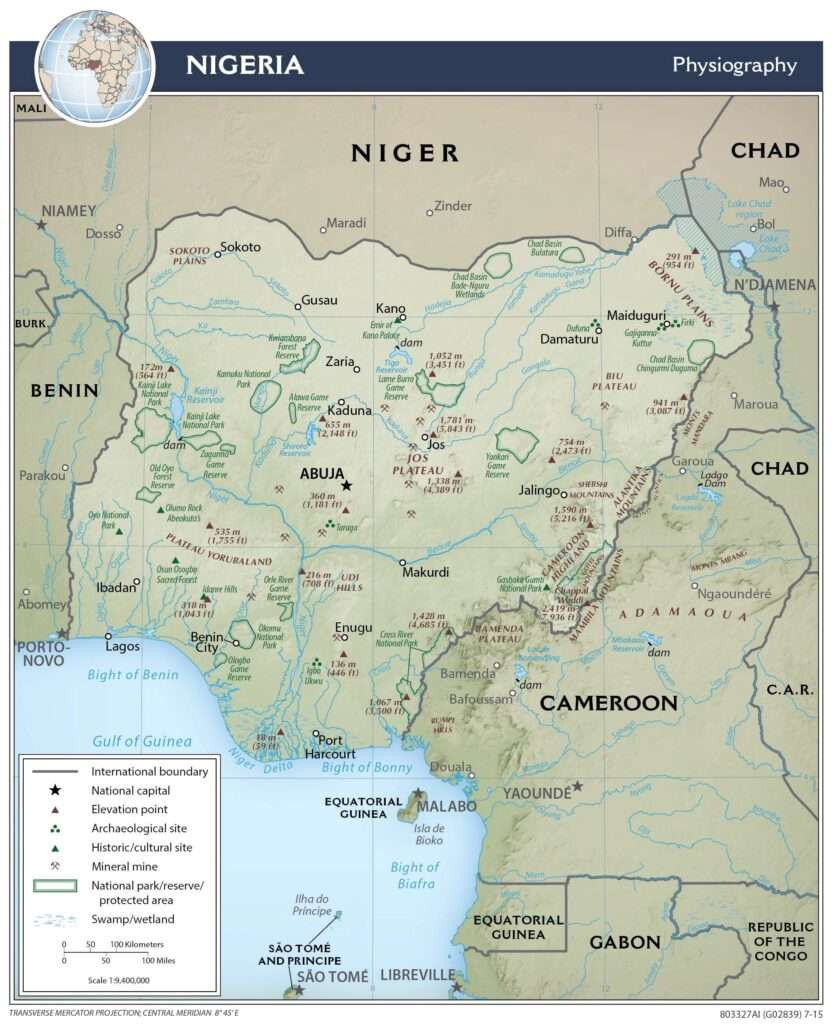
Here is a list of natural resources found in each continent:
- Africa:
- Minerals: Gold, diamonds, copper, platinum, uranium, cobalt, manganese, chromium, phosphate, nickel, tin, bauxite, iron ore.
- Oil and Gas: Nigeria, Angola, Algeria, Libya, Egypt, Equatorial Guinea, Republic of Congo, Sudan.
- Agricultural Resources: Cocoa, coffee, tea, cotton, palm oil, rubber, sisal, sugarcane, maize, sorghum, millet.
- Asia:
- Minerals: Coal, iron ore, bauxite, tin, copper, zinc, gold, silver, manganese, nickel, lead, tungsten.
- Oil and Gas: Saudi Arabia, Iran, Iraq, Qatar, Russia, China, United Arab Emirates, Kuwait.
- Agricultural Resources: Rice, wheat, soybeans, tea, rubber, spices, sugarcane, cotton, palm oil, jute.
- Europe:
- Minerals: Coal, iron ore, zinc, lead, copper, uranium, bauxite, gold, silver, potash, salt.
- Oil and Gas: Norway, United Kingdom, Russia, Netherlands, Denmark, Romania, Azerbaijan.
- Agricultural Resources: Wheat, barley, potatoes, grapes, dairy products, sugar beets, rapeseed, fish.
- North America:
- Minerals: Coal, copper, gold, silver, zinc, uranium, iron ore, lead, nickel, molybdenum.
- Oil and Gas: United States, Canada, Mexico, Venezuela.
- Agricultural Resources: Corn, wheat, soybeans, cattle, dairy products, cotton, tobacco, timber.
- South America:
- Minerals: Copper, gold, silver, lithium, iron ore, bauxite, tin, nickel, zinc, lead.
- Oil and Gas: Venezuela, Brazil, Argentina, Colombia, Ecuador, Bolivia.
- Agricultural Resources: Coffee, cocoa, bananas, soybeans, beef, sugarcane, corn, wheat, rice.
- Australia/Oceania:
- Minerals: Iron ore, bauxite, gold, coal, uranium, zinc, nickel, copper, silver, lead.
- Oil and Gas: Australia, Timor-Leste, Papua New Guinea, New Zealand.
- Agricultural Resources: Wheat, barley, beef, dairy products, wool, sugar, fruits, vegetables, fisheries.
The availability and distribution of natural resources can vary within each continent, and the list provided is not exhaustive as there may be other significant resources in each region.
Stock resources, actual resources, and reserve resources are terms commonly used in the field of natural resource economics to describe different stages of resource development and availability. Here’s a breakdown of each category:
- Stock Resources: Stock resources refer to the total quantity of a particular resource that exists in nature. It represents the entire amount available, regardless of its accessibility or extractability. Stock resources are typically estimated based on geological surveys and scientific assessments. They include both known and undiscovered resources. Examples of stock resources include:
- Actual Resources: Actual resources, also known as measured resources, are the portion of stock resources that have been identified, measured, and are economically feasible to extract with existing technologies and economic conditions. These resources are considered technically and economically recoverable. Examples of actual resources include:
- Reserve Resources: Reserve resources represent the subset of actual resources that can be economically and legally extracted under current market conditions. These are the resources that are known to exist, are accessible, and can be extracted profitably. Reserve estimates are usually based on detailed studies, engineering assessments, and economic considerations. Examples of reserve resources include:
It’s important to note that resource categorizations can change over time due to advances in technology, shifts in market conditions, and the discovery of new deposits. The distinction between stock, actual, and reserve resources provides a framework for understanding the different stages of resource development and utilization.



Natural resources serve as the raw materials for the production of commodities, which are then traded in bulk on the commodities market. Commodities are raw materials or primary agricultural products that are bought and sold in bulk on the commodities market. They are basic goods that are largely uniform in quality and can be used for various purposes. Commodities are typically traded in standardized contracts on exchanges, allowing buyers and sellers to engage in transactions based on agreed-upon terms.
There are two main types of commodities:
- Hard Commodities: Hard commodities refer to natural resources that are extracted or mined from the earth. Examples include:
- Metals: Gold, silver, copper, platinum, aluminum.
- Energy resources: Crude oil, natural gas, coal.
- Minerals: Iron ore, uranium, nickel, zinc.
- Soft Commodities: Soft commodities include agricultural products that are grown or produced. These commodities are usually perishable and can be traded in physical or derivative form. Examples include:
- Grains: Wheat, corn, rice, soybeans.
- Soft fibers: Cotton, wool, silk.
- Livestock and meat: Cattle, hogs, poultry.
- Food products: Sugar, coffee, cocoa, tea.
Commodities serve as essential inputs in various industries and play a vital role in global trade and economic activities. They are subject to market forces and can experience price fluctuations based on factors such as supply and demand, weather conditions, geopolitical events, and economic trends. Commodity markets provide a platform for producers, consumers, and investors to hedge against price volatility, speculate on price movements, and facilitate the efficient transfer of these raw materials between different market participants.
Effective management and sustainable use of natural resources are crucial to ensure their availability for future generations. Conservation, responsible extraction practices, and the development of alternative and renewable sources of energy play important roles in preserving natural resources and minimizing their environmental impact.













Responses