

“Prisoners of Geography: Ten Maps That Explain Everything About the World”: A Summary and Review

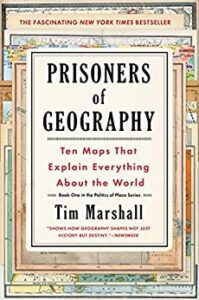
“Prisoners of Geography: Ten Maps That Explain Everything About the World” by Tim Marshall is a captivating and insightful exploration of how geography shapes the political, economic, and cultural dynamics of nations and influences global affairs. In this thought-provoking book, Marshall examines ten key regions around the world and their geographical features, revealing how they have historically influenced and continue to impact the course of human history. Here is a more detailed and elaborated summary of the main points covered in the book:
The Significance of Geography
Marshall establishes the fundamental importance of geography in shaping the destiny of nations. He argues that physical features such as mountains, rivers, coastlines, and natural resources are not mere backdrops but rather influential factors that mold the political, economic, and social development of countries.
Europe
Marshall delves into the complex geography of Europe and its profound influence on the continent’s history. He examines how physical barriers like the Alps, the Northern European Plain, and the Mediterranean Sea have shaped the formation of nation-states, influenced conflicts, and facilitated economic integration. Marshall also highlights the significance of Europe’s rivers and the navigability of its waterways for trade and transportation.
Russia
The book explores the vastness and harshness of the Russian landscape and its impact on the nation’s history and politics. Marshall examines Russia’s need for a buffer zone, its control over key natural resources like oil and gas, and the challenges it faces due to its geographical expanses. He discusses how these factors have shaped Russia’s security concerns and geopolitical strategies.
China
Marshall focuses on the geographic features of China and their influence on the country’s economic and geopolitical dynamics. He examines the impact of China’s rivers, including the Yangtze and the Yellow River, on agriculture, transportation, and population distribution. Marshall also explores China’s quest for natural resources, its ambitions in the South China Sea, and the strategic significance of the Himalayas in shaping its relations with neighboring countries.
United States
The book examines the geographical advantages that have contributed to the United States’ rise as a global superpower. Marshall discusses the nation’s extensive coastlines, navigable rivers, and access to key resources like oil, which have played a significant role in shaping its economic and military strength. He also explores the geographic challenges faced by the United States, such as the vulnerability of coastal regions to natural disasters.
Africa
Marshall focuses on the diverse and often challenging geography of Africa and its impact on the continent’s political and economic development. He discusses the influence of vast deserts, dense jungles, and major rivers like the Nile and the Congo on political boundaries, resource distribution, and conflicts. Marshall also highlights the challenges faced by landlocked countries in Africa and their implications for trade and development.
The Middle East
The book delves into the complex dynamics of the Middle East, emphasizing the role of geography in shaping religious, ethnic, and geopolitical tensions in the region. Marshall explores the significance of oil reserves, access to water resources, and the influence of key chokepoints like the Strait of Hormuz. He also discusses the impact of physical barriers such as the deserts and mountains on political and military strategies.
South America
Marshall examines the geographical features of South America and their influence on political and economic developments in the region. He discusses the Amazon rainforest and its environmental significance, the Andes Mountains, and the impact of landlocked countries like Bolivia and Paraguay on trade and development. Marshall also explores the geopolitical dynamics of the region, including territorial disputes and resource competition.
India and Pakistan
The book explores the intricate geopolitical complexities between India and Pakistan and the role of geography in shaping their ongoing conflicts and territorial disputes. Marshall examines the impact of physical barriers like the Himalayas, which act as a natural boundary between the two nations and pose challenges to communication and transportation. He also delves into the significance of rivers such as the Indus and the Ganges, which have not only shaped the civilizations and cultures of the region but also become points of contention over water resources.
Korea and Japan
Marshall concludes the book by examining the geographical factors that have shaped the historical and ongoing tensions between Korea and Japan. He explores the impact of physical barriers, such as the Korean Peninsula and the Sea of Japan, on political and economic relationships. Marshall also discusses the territorial disputes between the two countries, emphasizing the strategic importance of islands like Dokdo/Takeshima and their influence on regional dynamics.
Throughout the book, Marshall demonstrates a keen understanding of how geography molds the political, economic, and cultural realities of different regions. He skillfully combines historical context with geographical analysis, providing readers with a comprehensive perspective on global affairs. By highlighting the significance of natural boundaries, resources, and strategic locations, Marshall shows how geography can act as a determining factor in the relationships between nations and the course of international events.
“Prisoners of Geography” serves as a powerful reminder that despite advances in technology and globalization, geography remains an underlying force that shapes the actions and decisions of nations. By recognizing and understanding these geographical dynamics, policymakers, diplomats, and citizens can gain valuable insights into the complexities of global politics. Moreover, the book encourages readers to appreciate the diverse landscapes and environments that have played a crucial role in shaping the history and development of human civilizations.
In conclusion, “Prisoners of Geography: Ten Maps That Explain Everything About the World” provides an engaging and enlightening exploration of the intimate relationship between geography and global affairs. Tim Marshall’s meticulous analysis of ten key regions offers a captivating journey through the complexities of geopolitics, revealing how the physical features of our planet have profound implications for the lives of individuals, the fate of nations, and the trajectory of world events. By shedding light on these often overlooked factors, Marshall encourages readers to develop a deeper appreciation for the influence of geography and to approach the study of international relations with a more nuanced perspective.
Click the cover below to preview or buy: “Prisoners of Geography”














This article talks about maps and how they are in different areas of the world. These maps can reveal things like culture history and more. Maps are a great thing and help us alot to get to know our world more.
Maps that reveal important information about history, politics, culture and more. The book covers topics such as the spread of technology. The author uses maps as a tool to help readers better understand complex global issues and to encourage critical thinking about the world around us .
in the united states, Marshall discusses the nation’s extensive coastlines, navigable rivers, and access to key resources like oil, which have played a significant role in shaping its economic and military strength.
Marshall explores the impact of physical barriers, such as the Korean Peninsula and the Sea of Japan, on political and economic relationships.
The rivers in india shaped civilizations and cultures of the region