

Becoming a U.S. Navy or Marine Corp Commissioned Officer: What to Expect and How to Prepare for Success

The United States Navy and the United States Marine Corps are two of the most powerful and respected military forces in the world. They are each composed of both commissioned and non-commissioned officers, each of whom has a unique set of duties and responsibilities. Commissioned officers are the highest-ranking members of the Navy and Marine Corps are responsible for leading and managing the enlisted personnel. They are expected to have a high level of knowledge, character, and experience in order to effectively lead their subordinates. In this article, I will give an overview of the duties and training of a U.S. Navy/ Marine Corps commissioned officer and the criteria that must be met to qualify and be successful.
Duties of a Commissioned Officer
The primary duty of a commissioned officer is to lead and manage the enlisted personnel. This includes providing guidance and direction, setting expectations, and ensuring that the enlisted personnel are performing their duties in accordance with U.S. Navy/ Marine Corps regulations. Commissioned officers are also responsible for developing and implementing strategies to achieve mission objectives. This includes planning and executing operations, training personnel, and managing resources related to the objective. Additionally, commissioned officers are responsible for maintaining discipline and order among the enlisted personnel. This includes enforcing regulations, resolving conflicts, and ensuring that the enlisted personnel are properly following orders.
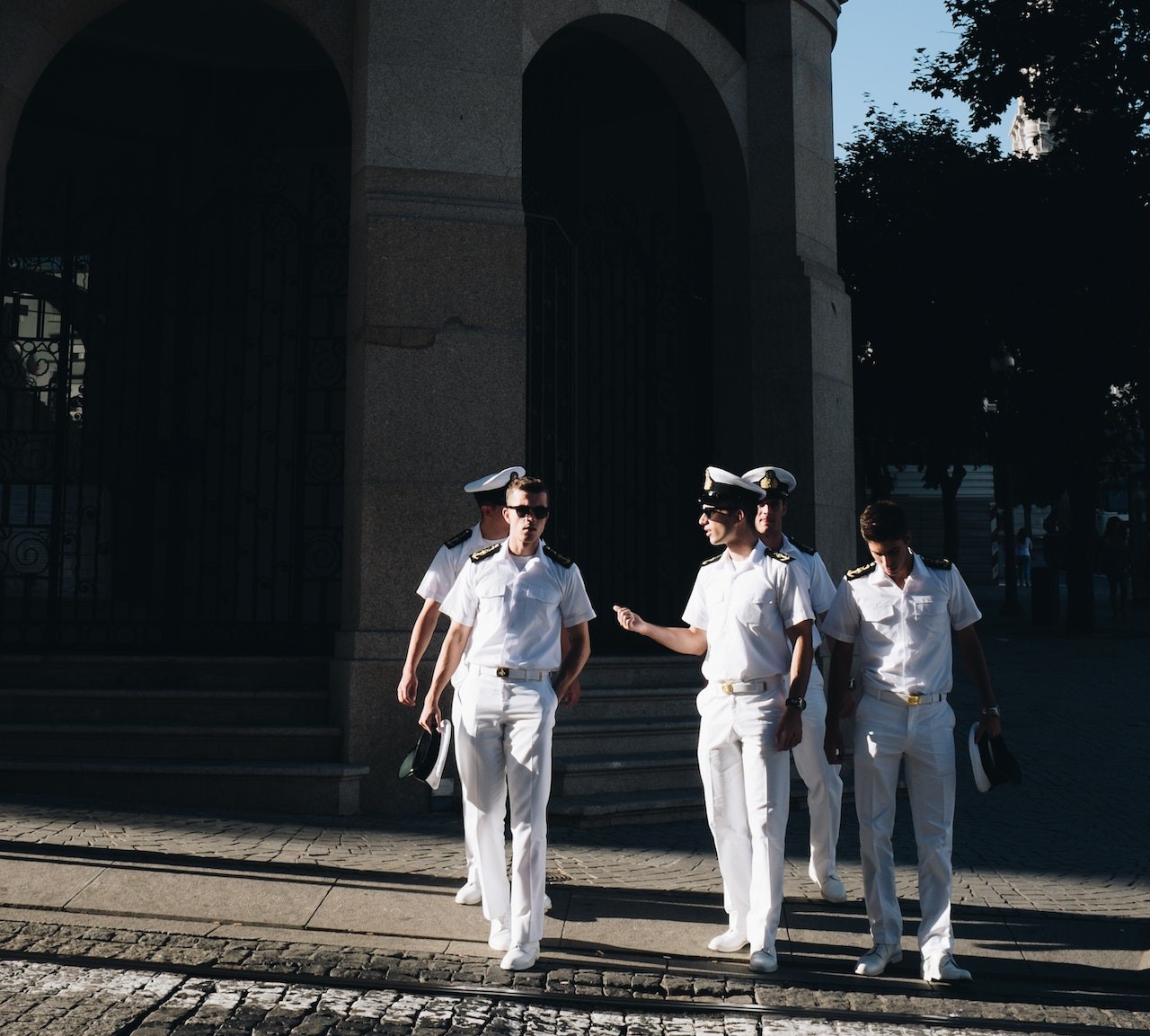
The U.S. Navy and U.S. Marine Corps both have junior, senior, and flag officers. All have the authority to make decisions and issue orders, but they differ in their scale of authority, level of responsibility, and the amount of experience and training they are required to have. For instance, in the Navy, Junior officers, Ensigns (O-1), Lieutenants Junior Grade (O-2), and Lieutenants (O-3), are typically assigned to a division or department within a ship and are responsible for the day-to-day operations of that unit. Senior officers, Lieutenant Commanders (O-4) and Captains (O-5), tend to have an authority and duty scope that pertains to the ship as a whole. Flag officers, which are Admirals (O-6 to O-9), and are responsible for providing strategic guidance and direction to fleets of ships, strike groups, or to the Navy as a whole.
Qualifications to Become a U.S. Navy Commissioned Officer
In order to become a U.S. Navy commissioned officer, an individual must meet certain qualifications. The most important qualification is that the individual must have a four-year college degree from an accredited institution. Additionally, the individual must have a minimum of three years of professional experience in a related field. This experience can include military service, civilian work, or a combination of both. The individual must also pass a physical examination and a background check. Finally, the individual must be able to pass the Officer Candidate School (OCS) exam.
In addition to the qualifications listed above, the individual must also possess certain personal qualities in order to be successful as a commissioned officer. These qualities include strong leadership skills, excellent communication skills, and the ability to think critically and make sound decisions. Additionally, the individual must be able to work well with others and be able to motivate and inspire their subordinates.
The U.S. Naval Academy, NROTC, and U.S. Naval Officer Training School

The United States Naval Academy (USNA) is a four-year coeducational federal service academy located in Annapolis, Maryland. Established in 1845, the USNA is the second oldest of the five U.S. service academies and is the only one located in a seaport. The USNA educates and trains officers for the United States Navy and Marine Corps. The curriculum of the USNA is designed to provide a broad-based education in the sciences, humanities, and social sciences, as well as professional military training. The academic program is rigorous and demanding, and the faculty is composed of highly qualified professionals.
The USNA curriculum is divided into three main areas: the Core Curriculum, the Major Program, and the Professional Program. The Core Curriculum consists of courses in mathematics, science, engineering, and the humanities. The Major Program consists of courses in a chosen major, such as engineering, oceanography, or naval architecture. The Professional Program consists of courses in naval science, leadership, and military tactics. All students must complete the Core Curriculum and the Major Program before they can graduate.
In order to be admitted to the USNA, applicants must meet certain qualifications. All applicants must be at least 17 years old and must be U.S. citizens. They must also have a high school diploma or equivalent, and must have a minimum SAT score of 1000 or an ACT score of 22. Additionally, applicants must pass a physical fitness test and a medical examination.
The USNA is a highly competitive institution, and admission is highly sought after. Those who are accepted into the USNA will receive a world-class education and will be prepared to serve their country in the Navy or Marine Corps. The USNA is a unique and prestigious institution, and those who are accepted will have the opportunity to receive an elite education that will prepare them for a successful career in the military.

The United States Navy/ Marine Corps Officer Candidates Schools (OCS) are rigorous programs designed to prepare individuals for a career as a commissioned officer in the Navy or the Marine Corps. Enlisted personnel as well as civilians who meet the requirements are eligible to participate in the program. Candidates must be between the ages of 18 and 35, have a high school diploma or its equivalent, and pass a physical fitness test to be considered for OCS. In addition, applicants must have a valid driver’s license and pass a background check.
The Navy OCS program lasts for 12 weeks and is divided into three phases. The first phase focuses on physical training and military knowledge. During this phase, students learn about each service’s core values, leadership principles, and military customs and courtesies. The second phase focuses on professional development and includes classes on naval operations, navigation, and weapons systems. Marine Corps OCS is 10 weeks long and focuses on more training regarding land navigation, ground combat tactics, amphibious assault, and other skills related to the Corps unique objectives. The third phase focuses on practical application and includes field exercises and simulations. At the end of the program, students must pass a final exam and demonstrate their ability to lead and manage a team. Upon successful completion of the program, graduates are commissioned as officers in the United States Navy or Marine Corps. OCS for future Navy officers and non-combatant Marine Corps officers is located at Naval Station Newport in Rhode Island. OCS for combatant Marine Corps officers is a separate institution, and is located in Quantico, VA.
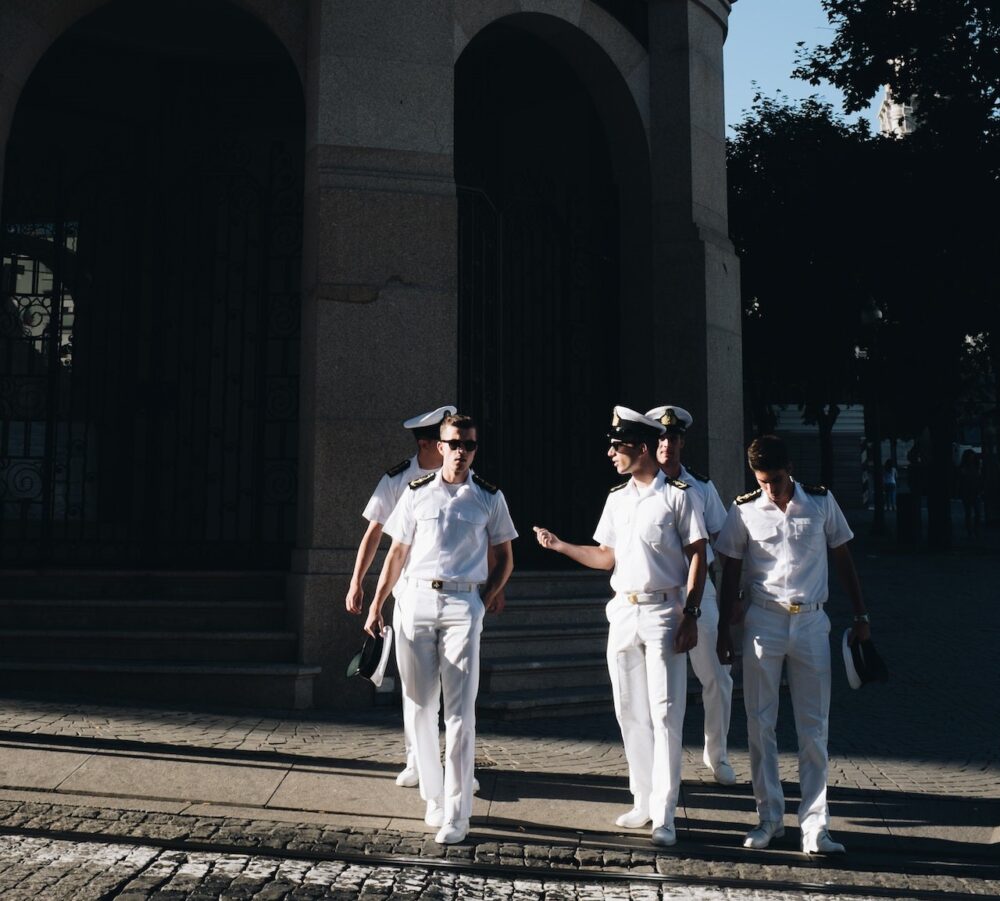
Navy ROTC, also known as the Naval Reserve Officers Training Corps, is a program designed to provide college students with the opportunity to become Navy officers. It is an excellent way to receive an education, gain leadership experience, and serve your country. Navy ROTC provides a number of benefits, from financial assistance to the development of leadership skills. It is also a great way for college students to gain valuable experience in the Navy before graduating.
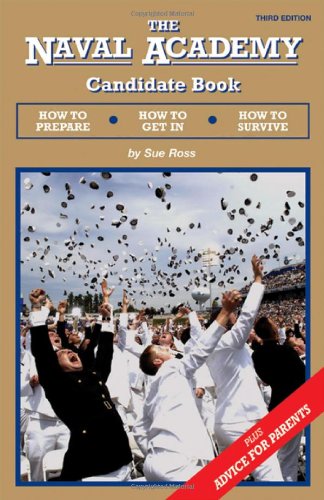
A wonderful book I highly recommend about Officer training is: The Naval Academy Candidate Book by Sue Ross. White. While USNA, NROTC, and OTS are different institutions, much of what you learn from this book can help focus your preparation for whichever route you choose to take.
Conclusion
In conclusion, a commissioned officer in the United States Navy or Marine Corps is responsible for leading and managing enlisted personnel. To effectively lead their subordinates, they are expected to have extensive knowledge and experience. Furthermore, they should have level of character, discipline, and perspective in order to find true success. A four-year degree from an accredited college, at least three years of professional experience in a related field, and the ability to pass the Officer Candidate School (OCS) exam are the requirements for becoming a commissioned officer. The level of authority and responsibility that commissioned officers hold is the primary distinction between them and non-commissioned officers. Becoming a successful officer requires dedication, discipline, and support. If you are interested in becoming one, it is recommended that you get in shape, learn more about the Navy and Marine Corps and topics related to it, and improve your character, managerial, and leadership abilities right away. Find a current or former military mentor who would be willing to coach you if at all possible.
Additional Resources:
Podcasts:
• Navy Service Training Command
• Gain Service Academy Admission Podcast
Books:
• The Insider’s Guide to the Navy ROTC and Navy ROTC Marine Corps Option Scholarship for High School Students and their Parents
• The Navy ROTC Guidebook
Websites:
• U.S. Navy Official Website
• Navy ROTC Official Website
• Navy ROTC Scholarship Program












Responses