

From Afghanistan to Ukraine: A Recent History of Russian Military Engagements
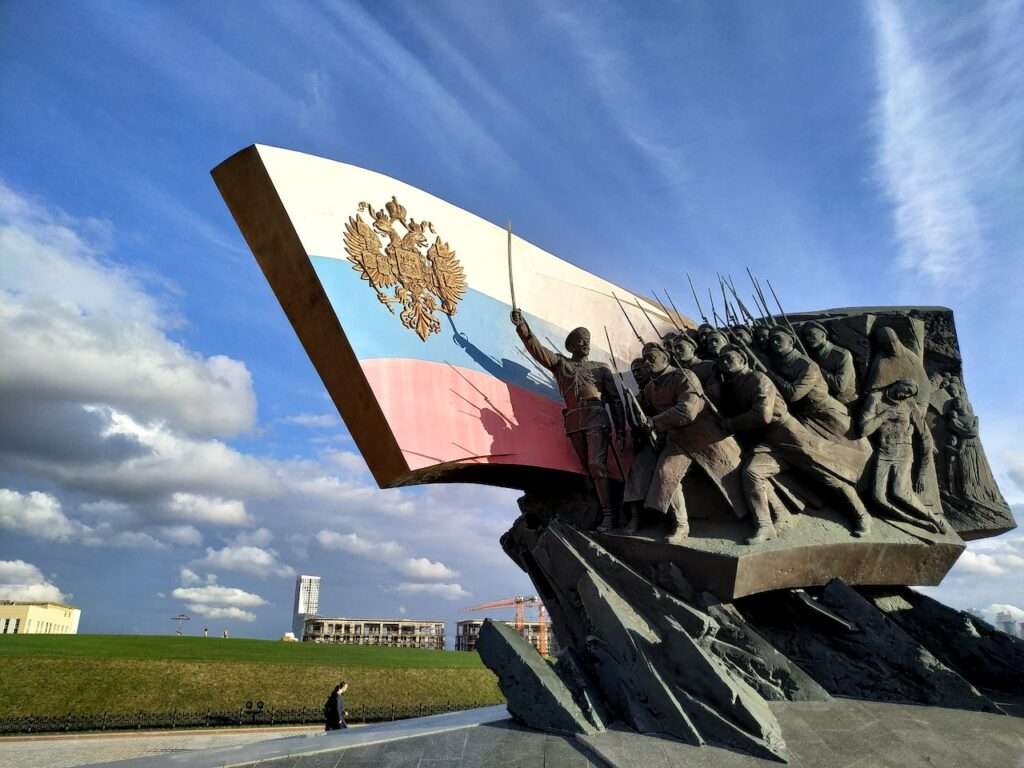
Russia, as a major power, has been involved in numerous military conflicts throughout its history. In the past few decades, Russia has been involved in several military conflicts, some of which have garnered significant international attention. In this article, we will summarize the past four military conflicts that Russia has engaged in, including the war in Afghanistan, the Russo-Georgian War, the annexation of Crimea, and the Syrian Civil War.
The War in Afghanistan (1979-1989)
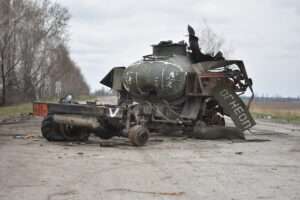
The Soviet Union invaded Afghanistan in 1979, seeking to support the pro-Soviet government and prevent the spread of Islamic fundamentalism in the region. The Soviet military intervention, which lasted for a decade, was a major military engagement for the Soviet Union and resulted in significant loss of life and resources.
The Soviet Union initially sent troops to Afghanistan in December 1979, in response to a request for assistance from the Afghan government. The Soviet government, under General Secretary Leonid Brezhnev, believed that the pro-Soviet government in Afghanistan was under threat from Islamic fundamentalist groups and that the Soviet Union had a responsibility to protect it.
The Soviet invasion was met with fierce resistance from Afghan rebel groups, known as the mujahideen. The mujahideen were supported by a range of foreign powers, including the United States, which provided weapons, training, and funding to the rebel groups. The conflict quickly escalated, with both sides committing atrocities and engaging in brutal warfare.
The Soviet military intervention in Afghanistan lasted for a decade, and the Soviet Union ultimately withdrew its troops in 1989. The conflict resulted in the deaths of an estimated 1.5 million Afghans and 15,000 Soviet soldiers. The war was a significant drain on Soviet resources and is often cited as a contributing factor to the collapse of the Soviet Union.
The Russo-Georgian War (2008)
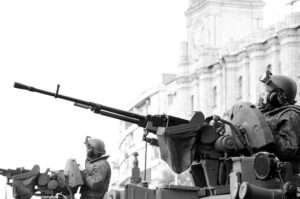
The Russo-Georgian War was a brief military conflict between Georgia and Russia in August 2008. The conflict was sparked by tensions over the breakaway regions of South Ossetia and Abkhazia, which had declared independence from Georgia but were recognized as independent states only by Russia.
The conflict began on August 7, 2008, when Georgia launched an attack on South Ossetia, seeking to regain control of the region. Russia responded with a massive military intervention, deploying troops and tanks into the region to support the separatist forces.
The conflict quickly escalated, with Russian forces pushing into Georgian territory and bombing Georgian cities. The conflict lasted for five days, with Russia ultimately emerging as the victor. The war resulted in the deaths of an estimated 850 people, with thousands more injured and displaced.
The war had significant geopolitical implications, with Russia using the conflict as an opportunity to assert its dominance in the region and demonstrate its military capabilities. The conflict also strained Russia’s relations with the West, with many Western countries condemning Russia’s actions and imposing sanctions.
The Annexation of Crimea (2014)
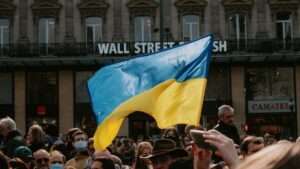
In 2014, Russia annexed Crimea, a region of Ukraine, following a referendum that was widely criticized as illegitimate. The annexation was a significant escalation of tensions between Russia and Ukraine and has had long-lasting geopolitical implications.
The annexation was sparked by a series of protests in Ukraine, known as the Euromaidan protests, which resulted in the ousting of the pro-Russian president, Viktor Yanukovych. Russia responded by annexing Crimea, which has a predominantly Russian-speaking population, and supporting separatist rebels in eastern Ukraine.
The annexation was met with widespread international condemnation, with many countries accusing Russia of violating international law and Ukraine’s territorial integrity. The annexation also resulted in sanctions being imposed on Russia by the United States and the European Union.
The Syrian Civil War (2011-present)
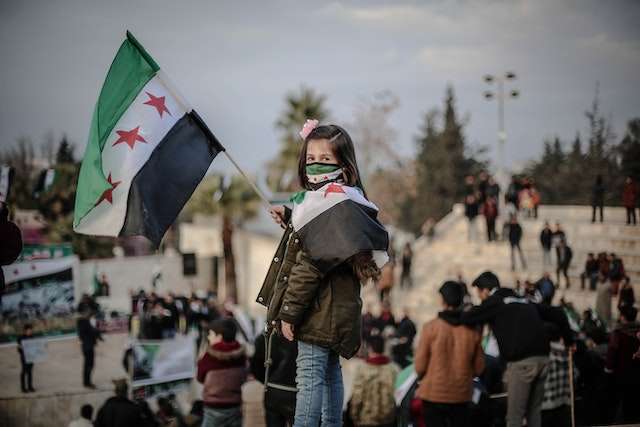
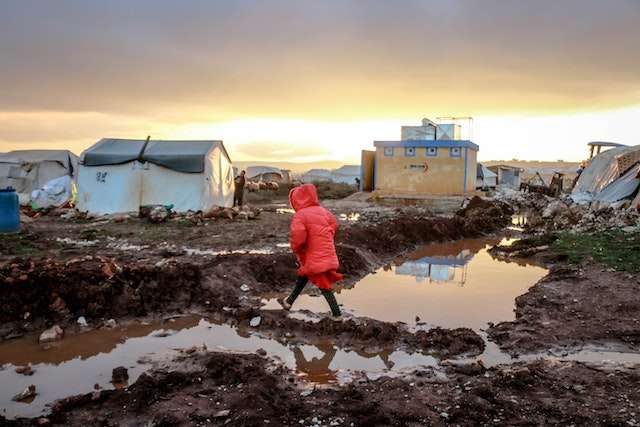
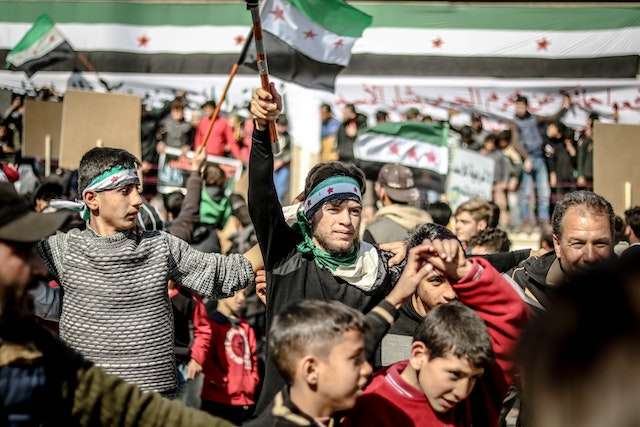
The Syrian Civil War is an ongoing conflict that began in 2011, following a series of protests against the government of President Bashar al-Assad. The conflict quickly escalated, with multiple rebel groups emerging to challenge the government’s authority.
Russia has been involved in the Syrian Civil War since 2015, when it began providing military support to the Syrian government. Russia’s involvement has been instrumental in turning the tide of the conflict in favor of the Syrian government, which was on the brink of collapse prior to Russia’s intervention.
Russia’s military intervention in Syria has included airstrikes, ground operations, and the deployment of troops and military equipment. Russia has also provided the Syrian government with financial and logistical support, as well as diplomatic backing.
Russia’s involvement in the Syrian Civil War has been controversial, with many countries accusing Russia of supporting a regime responsible for numerous human rights abuses and war crimes. Russia has defended its involvement in Syria, arguing that it is necessary to fight terrorism and stabilize the region.
The Invasion of Ukraine (2022-present)
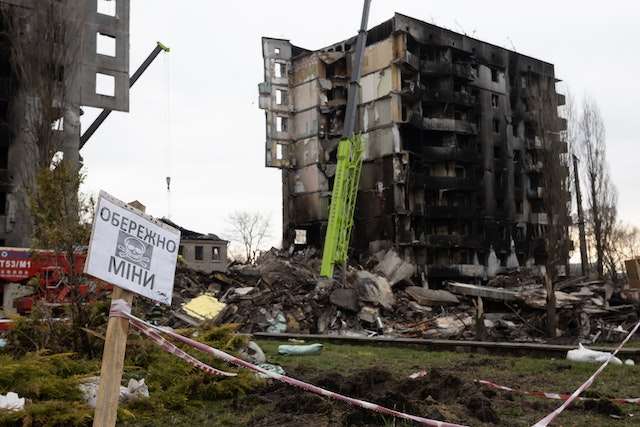
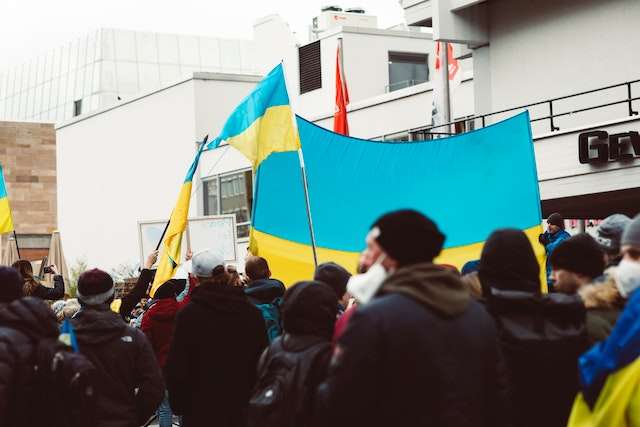
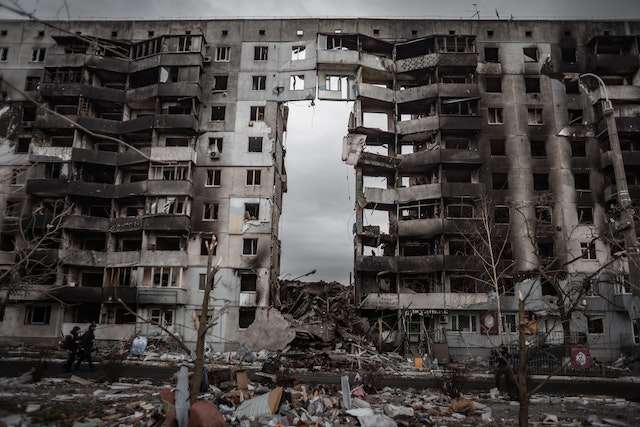
For some years Russia had been accused of supporting separatist rebels in eastern Ukraine, providing them with military equipment and troops. As of early 2022, the conflict has escalated into a full-scale war, with thousands of people killed and many more displaced.
Despite international pressure to de-escalate the conflict and respect Ukraine’s sovereignty, Russia has continued to deny its involvement and has maintained its support for the separatist rebels. The conflict has become a major point of tension between Russia and the West, with many countries accusing Russia of violating international law and destabilizing the region. The conflict has also had a significant impact on the Ukrainian economy, as well as on the lives of those living in the conflict zone.
The international community has called for a diplomatic resolution to the conflict, but a lasting peace agreement has yet to be reached. The situation in Ukraine remains a key issue in Russia’s relationship with the international community and is likely to continue to be a point of contention for years to come.
Conclusion
Russia has been involved in numerous military conflicts throughout its history, and the past few decades have been no exception. The four conflicts summarized in this article, the war in Afghanistan, the Russo-Georgian War, the annexation of Crimea, and the Syrian Civil War, have each had significant geopolitical implications and have contributed to shaping Russia’s relationship with the international community.
While Russia’s involvement in these conflicts has been controversial and has been met with significant international condemnation, Russia has continued to pursue its strategic interests in the region. It remains to be seen how these conflicts will ultimately impact Russia’s relationship with the international community and shape the future of the region.







Responses