

Your Phone is Making You Miserable: The Unseen Cost of Social Media

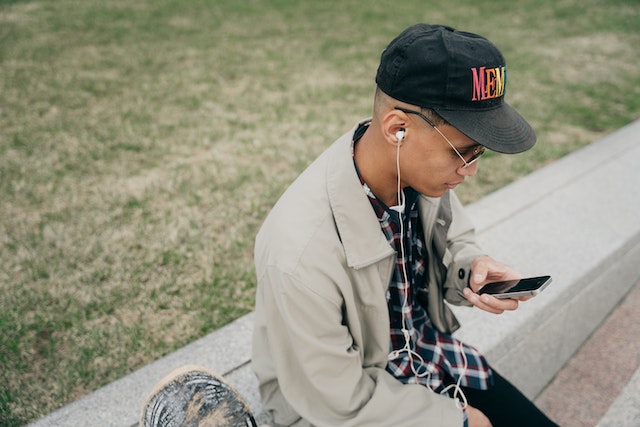
The Impact of Social Media on Happiness

In today’s world, social media has become an integral part of our lives. We use it to stay connected with friends and family, to share our thoughts and feelings, and to stay up to date on the latest news. But while social media can be a great way to stay connected, it can also have a negative impact on our happiness. In this article, we’ll explore the reasons why a person might be happier if they used social media less.
Comparison, Jealousy, and Bullying

One of the biggest reasons why a person might be happier if they used social media less is because of the tendency to compare themselves to others. Social media can be a great way to stay connected with friends and family, but it can also be a source of comparison and jealousy. When we scroll through our feeds, we’re bombarded with images of people living their “perfect” lives. We see pictures of their vacations, their new cars, their perfect relationships, and their amazing accomplishments. It’s easy to start comparing ourselves to these people and feeling jealous of their lives. This can lead to feelings of inadequacy and unhappiness.
Worst yet, social media can be used to spread rumors and hurtful messages about someone, which can lead to cyberbullying. People can post embarrassing photos or videos of someone without their permission, which can lead to humiliation and distress. It can be used to target someone with hateful comments and messages, which can lead to emotional distress and even physical harm.
Lack of Real Connections

Another reason why a person might be happier if they used social media less is because of the lack of real connections. While social media can be a great way to stay connected with friends and family, it can also be a source of superficial connections. We often find ourselves engaging in shallow conversations with people we don’t really know, or spending time “liking” and commenting on posts without really engaging in meaningful conversations. This can lead to a feeling of loneliness and disconnection from the people around us. Rather than simply interacting with people online, consider doing the following:
- Joining a local club, church, or a community/ school organization is a great way to make real connections with people who share similar interests.
- Attending community events such as festivals, concerts, or lectures is a great way to meet new people and build relationships.
- Volunteering in your local area is a great way to meet people and make meaningful connections while giving back to your community.
Negative Effects on Mental Health

Social media can also have a negative effect on our mental health. Studies have shown that excessive use of social media can lead to feelings of depression, anxiety, and low self-esteem. This is because we’re constantly exposed to images and messages that can make us feel inadequate or unworthy. We’re also exposed to a lot of negativity, which can lead to feelings of stress and anxiety.
Impact on Student Grades

Social media can also have a negative impact on student grades. Studies have shown that students who spend more time on social media tend to have lower grades than those who spend less time on social media. This is because they’re spending less time studying and more time scrolling through their feeds. It’s also been shown that students who spend more time on social media are more likely to procrastinate and have difficulty focusing on their studies.
Good Smartphone Use

While social media can have a negative impact on our happiness, it’s important to note that smartphones, if used properly, can actually aid learning. Smartphones can be a great tool for staying organized and connected. They can also be used to access educational resources, such as online courses and tutorials. By using smartphones in a productive way, students can stay on top of their studies and improve their grades.
If and when you do use social media, I suggest that you do the following:
- Take regular breaks from social media to give yourself time to reflect and be present in the moment.
- Follow accounts that bring you joy and inspire you to be your best self.
- Limit the amount of time you spend on social media each day.
- Use social media to connect with friends and family, rather than to compare yourself to others.
- Be mindful of the content you post and share, and make sure it is positive and uplifting to yourself and others.
It’s clear that social media can have a negative impact on our happiness. It can lead to feelings of comparison and jealousy, a lack of real connections, and negative effects on our mental health. It can also have a negative impact on student grades. However, if used properly, smartphones can be a great tool for staying organized and connected, and for accessing educational resources.
If you’re looking for ways to reduce your social media use and be happier, we recommend the following books:
- The Happiness Project by Gretchen Rubin
- Digital Minimalism by Cal Newport
- Dot Unplugged by Randi Zuckerberg
- Deep Work by Cal Newport
- The Joy of Missing Out by Christina Crook
- The Art of Screen Time by Anya Kamenetz
By taking the time to reduce your social media use and focus on the things that make you happy, you can lead a more fulfilling and meaningful life.
Tabrisha Haggerty is an educational diagnostician with two decades of experience in education. She is a mother, and entrepreneur, and advocate for kids with learning disabilities.













Responses