

Writing and Thinking: Unifying the Processes for Creating Ideas


Writing is a form of communication that allows us to express our thoughts and ideas, to document our knowledge and understanding, and to create a lasting record of our experiences. It also allows us to develop our critical thinking and problem-solving skills, to improve our creativity and imagination, and to develop our understanding of language. Whether as a tool for thinking and planning, resolving issues, or as a part of everyday work-tasks, mastery of the writing process is essential for anyone wanting to excel at practically any endeavor.
Writing and Thinking Are Intimately Connected

Writing is nature’s way of letting you know how sloppy your think is. This saying is meant to emphasize just how closely writing and thinking are. Obviously you have to be able to think in order to write, and the level and quality of your writing can never exceed your level and quality of thinking.
- One of the most essential connections is that writing helps to organize and clarify ideas.
- Writing forces us to express our thoughts in a concrete and organized manner, which can help us to better understand our thoughts and ideas.
- Writing also allows us to express ourselves in ways that can be shared and examined by others, which can lead to new insights and understanding.
- Writing also allows us to explore our thoughts and ideas in a more creative way.
In short, writing and thinking are intimately connected and can be used together to help build and refine ideas. By writing down our ideas and thoughts, we can explore them in a deeper and more creative way. Writing gives us the opportunity to break down complex ideas into smaller, manageable pieces, which can help us to better understand them.

Finally, writing can help to strengthen our thinking skills. By writing down our thoughts and ideas, and we can practice and refine critical thinking skills such as analysis and synthesis. Writing can also help us to practice and develop problem solving skills, such as brainstorming. Writing can also help us to practice and develop communication skills, such as writing clearly and effectively.
5 Tips for Improving One’s Writing

Writing is an important and powerful tool that can be used to express, organize and communicate thoughts and ideas. Here are five tips for improving one’s writing:
1. Read widely. Reading is essential for improving one’s writing. Reading widely, from an array of authors, sources, and genres, can help to expand one’s knowledge and understanding of the world, as well as provide inspiration and ideas for one’s own writing.
2. Practice writing regularly. Writing is like any other skill; the more you practice, the better you become. Set aside time each day to practice writing, and use this time to improve your writing skills.
3. Understand the purpose: Before you start writing, take a few minutes to think about the purpose of your writing. Knowing the purpose of your writing will help you to focus on the main points and create a well-structured piece of writing.
4. Research: Researching the topic you are writing about is essential. This will help you to gain a better understanding of the subject and provide you with more information to include in your writing.
5. Develop an outline. Before writing, it is important to develop an outline. An outline can help to organize and clarify ideas, which can make the writing process easier and more efficient.
6. Avoid repetition: Try to avoid using the same words and phrases multiple times in your writing. Using different words and phrases will make your writing more interesting and engaging.
7. Use the appropriate language style for your audience: When writing for children or students, it may be necessary to use simple language that is easy to understand. Complicated language and technical terms can be off-putting for these readers. On the other hand, the opposite may be true when writing for scholars, experts, CEO’s, etc. In these cases you will want to appear as knowledgeable as possible so as to communicate competency- but even then being too wordy can muddy your message.
8. Revise and edit. After writing, it is important to revise and edit one’s work. This can help to make sure that the writing is clear, organized and effective. Using a spell and grammar-checker such as Grammarly can help you to spot any spelling and grammar errors in your writing quickly and easily.
9. Take breaks. Taking regular breaks while writing can help to refresh your mind and ensure that you produce your best work.
10. Seek feedback. Finally, it is important to seek feedback from others. Having other people read one’s work and provide feedback can be invaluable in improving one’s writing.

Summary
Writing and thinking are closely connected and can be used together to help build and refine ideas. Writing can help to organize and clarify thoughts, explore ideas in a creative way, and strengthen thinking skills. To improve one’s writing, it is important to read widely, practice writing regularly, develop an outline, revise and edit one’s work, and seek feedback from others. With practice and dedication, writing can be an effective tool to help improve one’s thinking.
Additional Resources: These websites offer tips, advice, or resources to help you with your writing endeavors.
1. Trail of Breadcrumbs: Writing Tips for Teachers and Writers:
2. Books by Gretchen Barnabei
3. The Writer’s Digest
4. Purdue Online Writing Lab
5. The Writing Center at UNC Chapel Hill
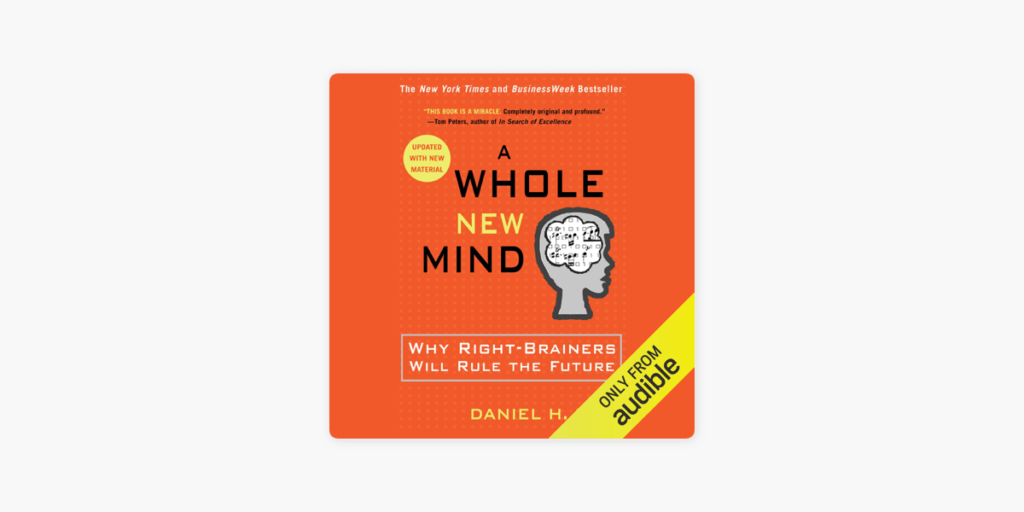
Want to read more about this topic? Check out this and other recommendations.













Responses