

The US Constitution: A Brief Overview


The United States Constitution
The US Constitution is the supreme law of the United States of America. It was written in 1787 and is the oldest written national constitution in use today. The Constitution consists of a preamble, seven articles, and 27 amendments. The preamble to the Constitution sets forth the goals and purposes of the document. It reads as follows:
"We the People of the United States, in Order to form a more perfect Union, establish Justice, insure domestic Tranquility, provide for the common defence, promote the general Welfare, and secure the Blessings of Liberty to ourselves and our Posterity, do ordain and establish this Constitution for the United States of America."
Video courtesy of CrashCourse.
The Articles
The preamble reflects the founding principles of the United States, including the desire for a stronger and more unified country, justice and peace for all citizens, a strong national defense, and the promotion of the common welfare.
- Article I: Establishes the legislative branch, the United States Congress, and outlines its powers and responsibilities.
- Article II: Establishes the executive branch, headed by the President, and outlines the powers and responsibilities of the President.
- Article III: Establishes the judicial branch, including the Supreme Court, and outlines the powers and responsibilities of the judiciary.
- Article IV: Outlines the relationship between the states and the federal government, and guarantees each state a republican form of government.
- Article V: Describes the process for amending the Constitution.
- Article VI: Establishes the supremacy of federal law over state law and requires all officials to swear an oath to the Constitution.
- Article VII: Details the process for ratifying the Constitution.
The Amendments
The amendments address various topics, such as freedom of speech, religion, and the press, the right to bear arms, and the right to a fair trial. The Bill of Rights was added to protect individual liberties and limit the power of the federal government.
- The First Amendment: Protects freedom of speech, religion, the press, assembly, and petition.
- The Second Amendment: Protects the right to bear arms.
- The Third Amendment: Prohibits the quartering of soldiers in private homes without consent.
- The Fourth Amendment: Protects against unreasonable searches and seizures.
- The Fifth Amendment: Protects against self-incrimination and guarantees due process of law.
- The Sixth Amendment: Guarantees the right to a fair and speedy trial, impartial jury, and legal representation.
- The Seventh Amendment: Guarantees the right to a trial by jury in civil cases.
- The Eighth Amendment: Prohibits excessive bail and cruel and unusual punishment.
- The Ninth Amendment: States that the enumeration of certain rights does not deny others retained by the people.
- The Tenth Amendment: Reserves powers not delegated to the federal government to the states or the people.
Subsequent Amendments
- The 11th Amendment: Clarifies the scope of judicial power.
- The 12th Amendment: Outlines the process for electing the President and Vice President.
- The 13th Amendment: Abolished slavery.
- The 14th Amendment: Grants citizenship and guarantees equal protection under the law.
- The 15th Amendment: Prohibits the denial of voting rights based on race.
- The 16th Amendment: Allows for the federal government to collect income tax.
- The 17th Amendment: Established direct election of Senators.
- The 18th Amendment: Prohibited alcohol (later repealed by the 21st Amendment).
- The 19th Amendment: Granted women the right to vote.
- The 20th Amendment: Established terms for the President and Congress.
- The 21st Amendment: Repealed Prohibition.
- The 22nd Amendment: Limits the President to two terms.
- The 23rd Amendment: Grants D.C. residents the right to vote in presidential elections.
- The 24th Amendment: Prohibits poll taxes in federal elections.
- The 25th Amendment: Outlines presidential succession procedures.
- The 26th Amendment: Lowers the voting age to 18.
- The 27th Amendment: Limits Congressional pay raises.
The US Constitution is a foundational document that has shaped American governance and society for over two centuries. Its principles of liberty, democracy, and justice continue to guide the country’s values. It remains a living document, serving as the cornerstone of American democracy. It has stood the test of time, adapting to the needs of an evolving nation through amendments and judicial interpretation. By establishing a framework of government that balances power, protects individual rights, and promotes the common good, the Constitution continues to inspire and guide citizens in the pursuit of liberty, justice, and equality. Its enduring legacy is a testament to the vision of the Founding Fathers and the resilience of the American experiment.




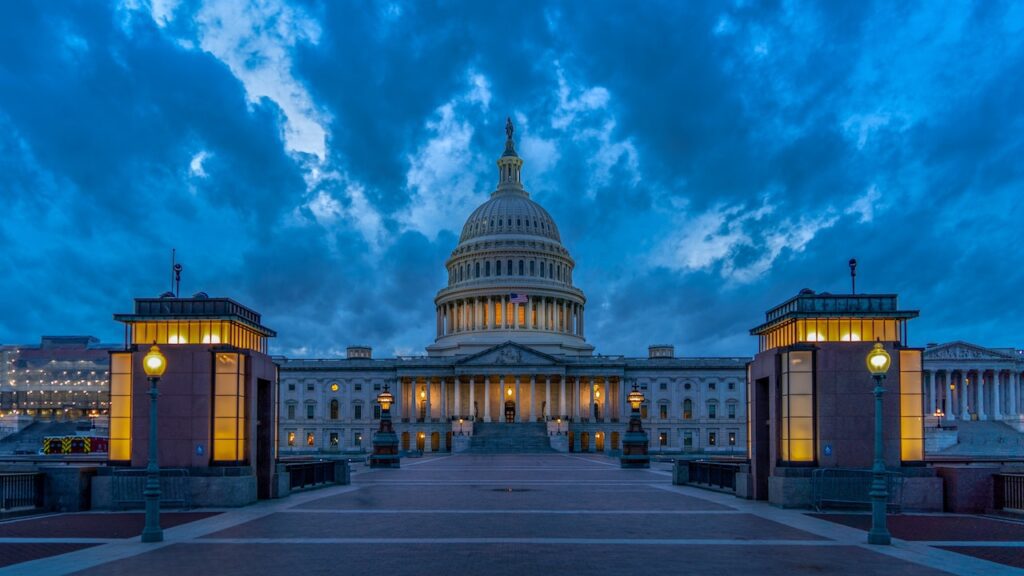








The Us Constitution is the supreme law of the United States. It outlines the framework for the federal government and sets out the rights and freedoms of American citizens. The Constitution has been amended 27 times since it was adopted in 1787, reflecting the changing needs and values of American society over time.