

Unlocking Potential: Tips for Students with Dyslexia


Dyslexia is a common learning disorder that affects the way a person reads, writes, and understands written language. It is estimated that around 15-20% of the population is affected by some form of dyslexia. Teaching students with dyslexia can be a challenge for teachers, so it is important that they are aware of the specific strategies and techniques needed to support them. This article will provide tips for teachers on how they can teach students with dyslexia, as well as suggest additional resources that parents and educators can use to help in the classroom.
1. Create a Positive Learning Environment

The first step in teaching students with dyslexia is to create a positive learning environment. This means ensuring that the classroom is a safe and supportive place for students to learn and feel comfortable in. To do this, teachers should ensure that students are not singled out or made to feel inferior due to their learning disorder. Additionally, teachers should provide a variety of activities and materials so that students with dyslexia can work at their own pace.
2. Use Visual Aids

Visual aids can be a great way to help students with dyslexia understand and remember information. Using visuals such as pictures, diagrams, or videos can help students make connections between the material and the topics being taught. Additionally, visuals can provide a more engaging way for students to learn, as they can help to break up the monotony of traditional teaching methods.
3. Break Down Complex Tasks

Students with dyslexia can find it difficult to understand complex tasks, so it is important that teachers break them down into smaller, more manageable chunks. This can help to reduce stress and make the tasks easier for the student to understand. Additionally, teachers should provide plenty of time for students to practice the tasks and provide feedback on their progress.
4. Use Different Teaching Styles

It is important that teachers use different teaching styles when teaching students with dyslexia. Not all students learn in the same way, so teachers should adapt their teaching style to meet the individual needs of each student. For example, some students may benefit from hands-on activities, while others may need more time to process the material.
5. Offer Support and Encouragement

Finally, it is important that teachers offer support and encouragement to students with dyslexia. This can help to build confidence and ensure that students feel motivated to learn. Teachers should also be aware of the signs of stress or anxiety in students and provide additional support if needed.
Additional Resources

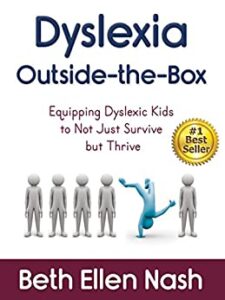
There are a variety of resources available for parents and teachers who are looking for more information on how to teach students with dyslexia. A book I recommend on this topic is Dyslexia Outside-the-Box by Beth Ellen Nash. This book provides an alternative approach to understanding and helping those with dyslexia. It focuses on the strengths of dyslexic individuals and provides strategies to help them succeed in school and life. It also provides insight into the unique perspectives and gifts that dyslexic individuals can bring to the world.
Summary
Teaching students with dyslexia can be a challenge, but with the right strategies and techniques, teachers can ensure that their students have a positive learning experience. By creating a positive learning environment, using visual aids, breaking down complex tasks, using different teaching styles, offering support and encouragement, and using the additional resources mentioned in this article, teachers can help to make learning easier for their students with dyslexia.
Here are some additional suggested podcasts, books, and websites that can be used as additional resources:
Podcasts:
• Dyslexia Unwrapped: https://dyslexiascotland.org.uk/unwrapped/
• Dyslexia Friendly: https://dyslexiafriendly.com/blog/
Books:
• Overcoming Dyslexia by Sally Shaywitz
• The Dyslexia Empowerment Plan by Ben Foss
• Unlocking Potential: A Guide to Dyslexia by Daniel B. Sawyers
Websites:
• kidshealth.org: https://kidshealth.org/en/parents/dyslexia.html
• dyslexicadvantage.org
• dyslexiahelp.umich.edu
• dyslexiaida.org
Tabrisha Haggerty is an educational diagnostician with two decades of experience in education. She is a mother, and entrepreneur, and advocate for kids with learning disabilities.












Responses