

“Tools for Teaching: Discipline-Instruction-Motivation”: A Quick Summary


“Tools for Teaching: Discipline-Instruction-Motivation” by Fred Jones, Patrick T. Jones, and Brian T. Jones is a comprehensive and highly regarded guidebook for educators seeking to improve their classroom management skills and create a positive learning environment. Drawing on extensive research and practical experience, the authors provide valuable insights, strategies, and techniques to enhance discipline, instruction, and student motivation. Here is a more detailed elaboration of the main points and advice presented in the book:
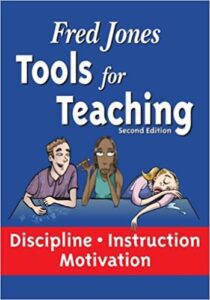
- The Importance of Preventative Discipline: The authors emphasize the significance of preventative discipline measures in establishing a well-managed classroom. They stress the need for teachers to be proactive rather than reactive when it comes to addressing misbehavior. By setting clear expectations, rules, and routines, teachers can create a structured and supportive learning environment that minimizes disruptions and encourages student engagement.
- Classroom Management Strategies: The book offers a wide range of specific classroom management strategies to help teachers maintain order and optimize learning opportunities. These strategies include techniques such as the “Say, See, Do” teaching method, which emphasizes clear instructions and active student participation. The authors also discuss the importance of proximity control, where teachers move around the classroom and establish a physical presence to prevent misbehavior and redirect students when needed. Additionally, the book provides guidance on using non-verbal cues effectively, such as gestures and eye contact, to manage student behavior.
- Instructional Techniques: Effective instructional techniques play a crucial role in classroom management. The authors emphasize the importance of providing clear and concise explanations, utilizing appropriate questioning techniques, and incorporating active learning activities to keep students engaged. They also discuss the significance of pacing and transitions between activities, suggesting strategies to ensure smooth transitions that minimize disruptions. The book further offers guidance on providing timely and constructive feedback to students, as well as effective methods of assessing student progress.
- Motivating Students: Motivation is a key factor in creating a successful learning environment. The book explores different aspects of student motivation and offers practical advice for teachers to foster and sustain motivation. It emphasizes the importance of creating meaningful connections between the curriculum and students’ lives, making the content relevant and engaging. The authors also discuss the role of intrinsic and extrinsic motivation and suggest strategies for setting challenging yet achievable goals, providing positive reinforcement, and promoting a growth mindset among students.
- Building Relationships: Positive relationships between teachers and students are essential for effective classroom management. The book highlights the importance of building rapport, trust, and respect with students. It provides guidance on effective communication techniques, such as active listening and using empathetic responses, to create a supportive and inclusive classroom community. The authors also emphasize the significance of collaborating with parents and families to support student success, offering suggestions for maintaining open lines of communication and involving families in the learning process.
- Continuous Improvement: The book encourages teachers to adopt a growth mindset and engage in continuous professional development. It emphasizes the importance of self-reflection and seeking feedback from colleagues, administrators, and students. The authors provide practical suggestions for ongoing improvement in classroom management and instructional practices, urging teachers to be open to new strategies and approaches that better meet the needs of their students.






Responses