
What Is Economically Deprived Education: Ending the Cycle of Poverty Through Education and its Challenges

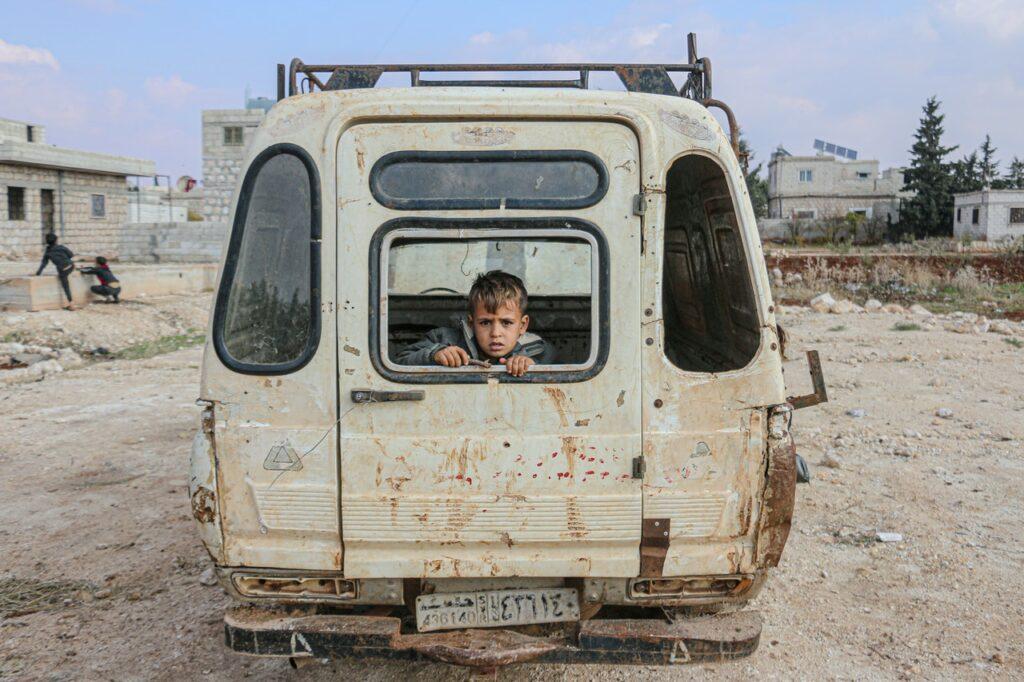
Photo above by Ahmed Akacha from Pexels
The correlation between poverty and education has endured significantly, thereby continuously failing poor and underserved communities. Within those communities are children who are at risk for uncertain futures due to being financially insecure. This financial insecurity produces an education which is deprived and is lacking a purpose. In order to understand what is considered an “economically deprived education” it is important to understand the history that precedes it. In 1951, Oliver Brown, a local black resident from Topeka, Kansas, set forth what is now known as Brown vs. Board of Education. He and twelve others alleged that the Topeka Board of Education’s segregation policy was unconstitutional. Though this win was historic at the time, currently there is still a struggle with equality in education. This controversy has created such a lingering effect even though it seems such an effortless gesture to simply fund schools which are lacking adequate educational tools. So why are there disparities after progress was made with the Brown case? The answer to that is to change public education by providing more financial stability to impoverished schools.
To begin, this argument is challenged by proponents wanting to use property taxes to fund schools. Although this is beneficial, impoverished districts will struggle to adapt due to lower property values. Despite an increase in student enrollment, it is the “expected growth in property taxes to fund public education before factoring in state funding” (DeMatthews & Knight). Efforts made to distribute tax revenue from property-rich to property-poor districts, the “Robin Hood” plan, were criticized because proponents of using property taxes did not want to relinquish funds they acquired (Swaby). It is evident that property taxes are the culprit for education and state lawmakers have continued to grapple with alternative sources to fund poor school districts. Re-allocating tax revenue from other sources and into underserved areas is dependent upon if other states choose to allow this type of revenue. This type of funding can generate an effective start to disrupt the cycle of poverty. The need for public assistance would be lessened thereby creating opportunities for all, not just some.
In addition, the American government gives federal funds to schools in need, known as Title 1, which serves low-income students and aims to improve the academic achievement of disadvantaged or low-achieving students (Anderson). The use of federal funds in this way is not without its own disadvantages; The Hamilton Project report concludes that states with higher percentages of low-income students actually receive less per-pupil (Pacific Standard). This creates a barrier to an education that was already failing, and the American federal government has failed students again. So, what other resources can lawmakers and education reformers use? The option of “school choice” was created in order to give parents and students the decision to attend a school in a wealthy district. This alternative has also seen decreased funding and student enrollment in certain schools. This option proved that the state needs to focus on changing current schools and stop building new ones. The state of Illinois came up with seven alternative ways to fund K-12 education. From introducing a progressive income tax to legalizing and taxing recreational marijuana, the potential revenue could create exceptional students with a role in society.
Similarly, Texas has support for at-risk students and schools. This support includes after-school programs, dropout prevention programs, grants, and community partnerships. Programs like these are beneficial to students who need it most.
Next, the use of high-quality materials to teach students in poverty-stricken schools is lacking. The need for updated materials along with qualified teachers is another cost which can be a burden. Schools facing this situation often have a curriculum that is not engaging or rigorous to students who are already faced with trying to catch up to their more affluent peers. This creates a “recipe for disaster” (Kari Patrick) because students may not comprehend certain skills needed when trying to take state tests or other exams required for entry into a college-level program. The use of standardized tests is also considered unfair by some because a large majority students are simply too far behind academically. However, when students have access to quality learning materials and learning environments, they produce better test scores and show increased graduation rates, thereby producing a productive member in society. Again, advocating for more effective and targeted funding is the only way to bring updated materials, infrastructure, and qualified teachers to the classroom. In order to avoid history repeating itself, minorities are in a race to catch up and stay ahead in order to lower the poverty rate. Education is the only way to avoid a cycle of crime and poverty.
Even though there are various obstacles that hinder a poverty-stricken child’s education, there is one virtue that exceeds others: understanding. By understanding the factors that poverty places on children, educators become empathetic and can better encourage students who may otherwise fail in their studies. Children and adolescents trust and actively engage in learning (Parrett and Budge) when realizing that their teachers actually care. This feeling of empathy creates a divergence from the previous choices because, while both correlate on similar issues, the latter provides a tactic not utilized. There are no statistics on this approach but an article on the need to understand poverty appeared adamant in their stance to create a more personal bond with the students. Allowing for a different style of teaching can alter a system that is flawed and can set a precedent for future educators. Although this reading did not go into numbers and details of alternative source funding, this article is insightful and necessary to encourage youth to strive for more.
Finally, the education system is not perfect, and more efforts need to be made in order to create a society which provides quality education to everyone. Certain methods were created in order to achieve this goal but were met with downfalls which hindered a student’s success. If the United States’ federal government is not able to accommodate schools and the children that need it most, then how can the rest of society expect education to be reformed?










Responses