

The Art of Negotiation: Mastering the Dance of Deals


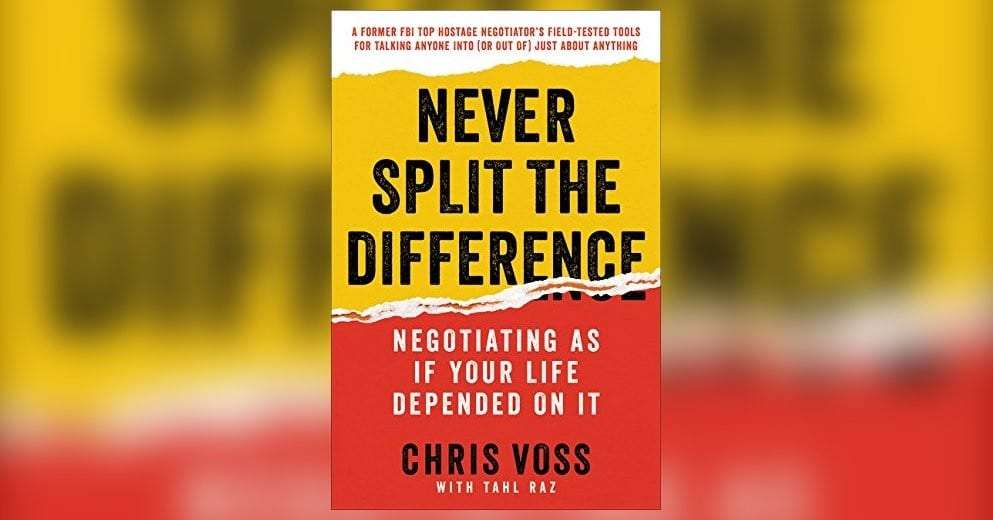
Negotiation is a multifaceted endeavor, blending finesse, artistry, and strategic acumen. It transcends mere price discussions and business closures; it’s a journey through the intricate tapestry of human connections, deciphering motivations, and forging win-win deals. Chris Voss emerges as a notable figure in this realm, celebrated for his mastery in hostage negotiations and seamlessly translating those skills into everyday negotiations. Join me as we unravel the essence of negotiation, its irreplaceable significance, hurdles encountered, and essential strategies to elevate your negotiation game.
What is Negotiation?
Fundamentally, negotiation embodies a conversation among multiple parties aimed at reaching a mutually agreeable outcome. It’s a strategic exchange where each side endeavors to sway the other’s choices while safeguarding their own interests. Negotiation unfolds across diverse domains such as business ventures, diplomatic affairs, legal resolutions, personal relationships, and even within oneself during decision-making processes.
The Need for Negotiation
Negotiation assumes paramount importance as it serves as the cornerstone of human interaction and conflict resolution. In a world characterized by conflicting interests, negotiation offers a structured avenue to resolve disputes, accomplish objectives, and nurture cooperation. Whether you occupy a role as a corporate executive, a diplomatic envoy, a nurturing caregiver, or an individual navigating life’s challenges, honing negotiation skills emerges as a crucial determinant of success.
Challenges in Negotiation
Despite its importance, many people struggle with negotiation for several reasons:
- Lack of Preparation: Negotiation demands thorough preparation, including understanding the other party’s perspective, defining your goals clearly, and anticipating potential objections and concessions.
- Emotional Hijacking: Emotions can cloud judgment and lead to impulsive decisions during negotiations. Learning to manage emotions effectively is crucial for maintaining a strategic mindset.
- Fear of Rejection or Confrontation: The fear of rejection or confrontation can inhibit assertiveness and lead to settling for suboptimal outcomes.
- Poor Communication Skills: Effective negotiation hinges on clear and empathetic communication. Lack of communication skills can lead to misunderstandings and breakdowns in negotiations.
Tips for Effective Negotiation
- Practice Empathetic Listening: Chris Voss emphasizes the importance of empathetic listening in negotiations. Listen actively, seek to understand the other party’s perspective, and validate their emotions and concerns. Empathy builds rapport and fosters trust, creating a conducive environment for negotiation.
- Master the Art of Mirroring: Mirroring involves repeating the last few words or key phrases spoken by the other party. It demonstrates attentiveness, encourages further communication, and can uncover valuable information.
- Use Tactical Empathy: Tactical empathy, as coined by Voss, involves understanding the emotions and motivations driving the other party’s behavior. By acknowledging their perspective and validating their feelings, you can build rapport and create collaborative solutions.
- Be Prepared to Walk Away: Know your “walkaway point,” the threshold beyond which the deal is no longer acceptable. Being prepared to walk away empowers you in negotiations and prevents you from settling for unfavorable terms.
- Focus on Interests, Not Positions: Shift the focus from rigid positions to underlying interests. Understanding the core interests of both parties allows for creative problem-solving and win-win solutions.
- Utilize Silence: Silence is a powerful tool in negotiation. Allow moments of silence after making an offer or asking a question. Silence creates tension and encourages the other party to fill the void, often revealing valuable information or concessions.
- Seek Win-Win Solutions: Aim for outcomes where both parties benefit. Win-win solutions foster long-term relationships and pave the way for future collaborations.
- Continuous Learning and Adaptation: The art of negotiation is dynamic. Stay open to learning from each negotiation experience, adapt your strategies based on feedback and outcomes, and refine your skills over time.
In the tapestry of human interactions, negotiation is a thread that binds individuals, organizations, and nations. By understanding the fundamentals of negotiation, recognizing common challenges, and implementing proven strategies like empathetic listening, tactical empathy, and strategic preparation, you can enhance your negotiation prowess and navigate complex negotiations with confidence and success. As Chris Voss aptly demonstrates, negotiation is not just about reaching agreements; it’s about building relationships, fostering understanding, and creating value for all parties involved.










Responses