

Become an Effective Negotiator with “Never Split the Difference”

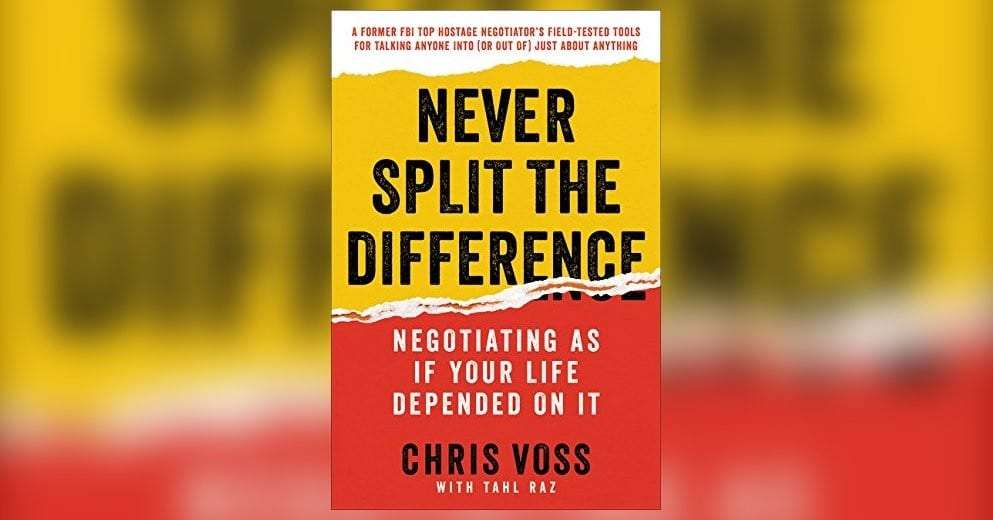
“Never Split the Difference” by Chris Voss is a book that delves into the world of negotiation and communication, drawing on Voss’s experiences as a former FBI hostage negotiator. The book offers practical strategies and insights to help readers become more effective negotiators in both personal and professional settings.
Voss emphasizes the importance of emotional intelligence and empathetic listening in negotiations. He explores the concept of “tactical empathy,” which involves understanding the emotions and perspectives of the other party to build rapport and create a cooperative atmosphere. Voss provides specific techniques, such as mirroring, labeling emotions, and using calibrated questions, to enhance communication and foster a deeper understanding of the other party’s needs and motivations.
The book also highlights the power of effective negotiation techniques, including anchoring, the use of “no” as a tool, and the importance of creating a sense of safety and trust in the negotiation process. Voss encourages readers to focus on collaborative problem-solving rather than trying to force a compromise. He emphasizes the significance of identifying and addressing the underlying interests and concerns of both parties to reach mutually beneficial outcomes.
Throughout the book, Voss shares captivating stories and real-life examples from his career in hostage negotiation, illustrating how the principles and techniques he presents can be applied to everyday situations. He emphasizes the value of active listening, embracing silence, and remaining calm and composed under pressure.
- The power of “mirroring”: Mirroring is a technique where you repeat the last few words or the critical information of the other person’s statement. By doing so, you show that you are actively listening and encourage the other party to elaborate further. This technique helps build rapport and keeps the conversation flowing.
- Labeling emotions: Acknowledging and labeling the emotions the other party is expressing can help diffuse tension and create a sense of understanding. By verbalizing their emotions, you show empathy and encourage the other person to feel heard and validated.
- The importance of “calibrated questions”: Calibrated questions are open-ended questions that begin with “how” or “what” and are designed to elicit valuable information and encourage the other party to think and provide thoughtful responses. These questions help uncover underlying motivations and interests.
- Using the power of “no”: Voss suggests that “no” can be a powerful tool in negotiations. It allows the other party to feel in control and can be a stepping stone towards finding mutually agreeable solutions. By embracing “no” as a natural part of the negotiation process, you can redirect the conversation and explore alternative options.
- Anchoring and setting the first offer: Anchoring involves presenting an initial offer or reference point that serves as a starting point for negotiations. By setting a confident and well-reasoned anchor, you can influence the perception of value and guide the negotiation in your favor.
- Building trust and rapport through empathy: Voss emphasizes the importance of building trust and rapport by demonstrating genuine empathy towards the other party. This involves understanding their perspective, validating their feelings, and making them feel heard. By establishing trust, you create a cooperative environment for reaching mutually beneficial agreements.
- Overcoming cognitive biases: The book addresses various cognitive biases that can hinder effective negotiation, such as the anchoring bias, confirmation bias, and loss aversion. Voss provides strategies for recognizing and counteracting these biases, allowing negotiators to think more objectively and make better decisions.
- Embracing silence: Silence can be a powerful tool in negotiation. It encourages the other party to fill the void and provide additional information. By using silence strategically, you can gather valuable insights and maintain control of the conversation.
These are just a few additional points and advice offered in “Never Split the Difference.” The book is filled with practical techniques, real-life examples, and actionable insights to help readers become more skilled negotiators and achieve better outcomes in a wide range of situations. “Never Split the Difference” provides readers with practical strategies and insights to become more effective negotiators. By mastering the art of emotional intelligence, active listening, and tactical empathy, readers can improve their ability to understand and influence others, navigate difficult conversations, and achieve successful outcomes in negotiations.
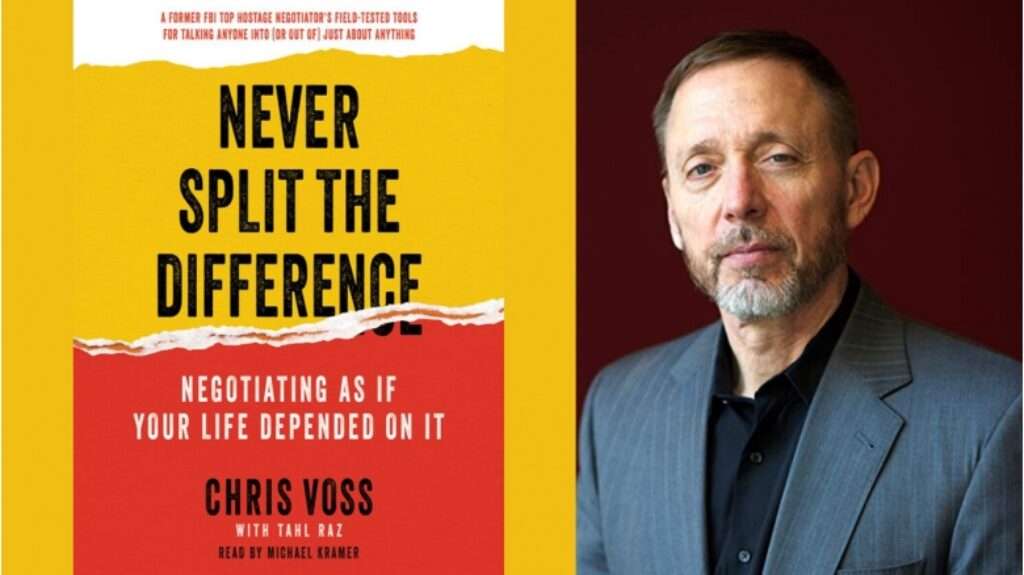
Click the cover below to preview or buy: “Never Split The Difference”










I like this article because it teaches how to negotiate. Negotiating can help with a lot of situations, and can even help someone get out of trouble. Negotiating has some bad factors but if someone uses it for good, it can do a lot of good for a person.